What does paraesthesia mean?
An unusual sensation, such as tingling.

Paraesthesia means an unusual sensation such as tingling or pins and needles. Numbness, burning or altered touch sensation can also occur after dental treatment. Reduced sensation is intended while local anaesthetic is working. New changes or changes lasting beyond the expected anaesthetic effect should be reported promptly to the treating practice.
For training & practice ↓
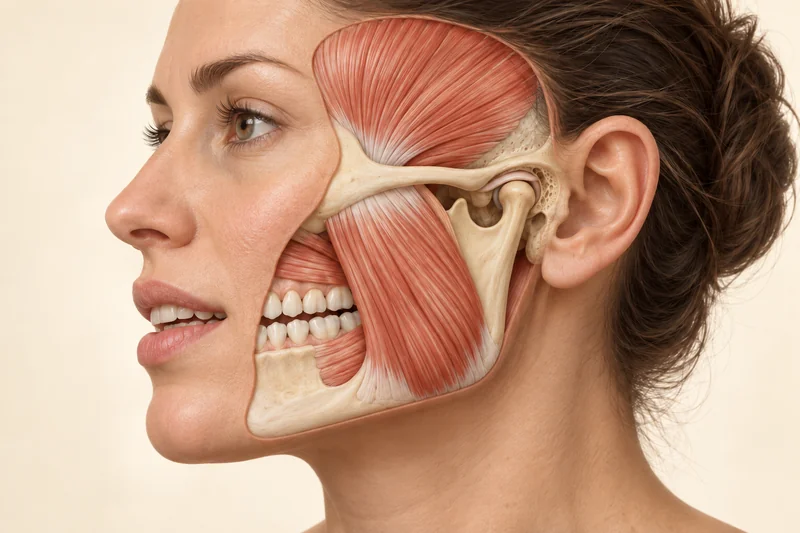
Where is the change: tongue, lip, chin or teeth? Tingling, burning, pain and reduced feeling are different symptoms that help describe the problem.
The inferior alveolar nerve supplies sensation to lower teeth among other areas; its terminal branch supplies the lower lip and chin. The lingual nerve contributes to tongue sensation. The location may offer clues but does not replace examination.
Report new changes or sensations lasting longer than expected. The practice assesses the course and possible causes and decides whether further investigation is needed. The intensity of tingling cannot predict recovery reliably.
An unusual sensation, such as tingling.
Promptly to the treating practice for new changes or sensations lasting longer than expected.
No. The course and, where indicated, examination are needed.
Three steps. No audio.
Each scene can also be selected manually.

Silent educational film with German on-screen text and simplified teaching images. Not a patient case or a promised treatment outcome. The full English explanation is available as text.
An altered sensation does not automatically mean impaired muscle movement. Sudden new facial weakness, speech difficulty or other neurological deficits may indicate a stroke. If this is suspected, call 112 immediately and do not wait.
Local anaesthetic temporarily reduces sensation. Its duration depends on the medicine used and the procedure. Contact the practice if it lasts unusually long or new symptoms develop.
Yes. Procedures in the lower jaw may irritate or injure nearby nerves. Not every sensory change is permanent; the treating practice needs to assess its course.
No. Tingling alone cannot establish healing or the severity of an injury. The course and examination matter.
Mention the procedure and date, when the symptoms began, the affected area, and numbness, tingling, burning, pain or altered taste. Also report worsening or new symptoms.
You can bring this question to your appointment:
Which sensations should be documented, and is further assessment needed?
For new symptoms, contact a dental practice promptly. Emergency warning signs require immediate help.
Contact the practice · 0221 669 401 80Telephone contactThese terms describe sensations, not their cause. A sensory disturbance involving the inferior alveolar nerve can affect the lower lip or chin; altered tongue sensation involves a different nerve territory. Duration and recovery require individual assessment.
Editorial research: . General information, not an individual diagnosis or treatment recommendation. Teaching illustrations are simplified and do not depict a patient case.