Teeth straightening · Cologne

Aligners in Cologne.Clear
aligners.

Perhaps a gap bothers you. Perhaps your teeth have shifted again. We listen, examine your bite and discuss what clear aligners can change — and where their limits lie.

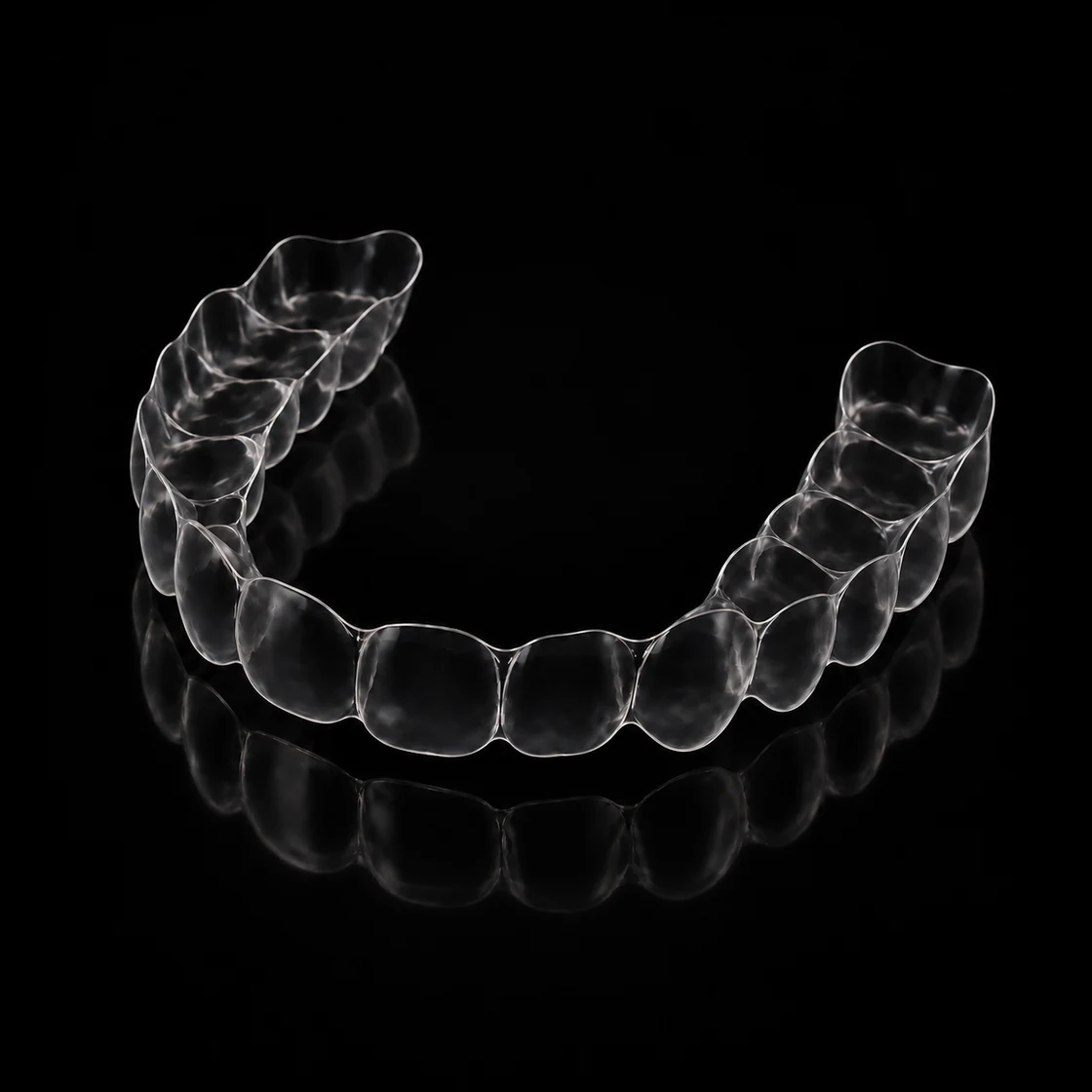
AI-generated illustrative image of a clear aligner
Illustrative image of a clear aligner.

Understanding tooth movement

What would you like to change?

Aligners are clear, removable trays. An individually planned series moves the teeth step by step. We assess during your examination whether this treatment is appropriate for your teeth.

AI-generated lower jaw model with crowded lower front teeth before schematic tooth movement AI-generated
Example: crowding of the lower front teeth. Schematic AI animation, not a patient case or treatment result. It shows a simplified change in position, not a personal prediction of results or treatment time.

Open animation as a video · 0.38 MB

Which concern sounds familiar?

Choose a topic for a short explanation.

When teeth are crowded

Aligners can gradually move teeth in some cases of crowding. Available space, the movements required and the overall bite are decisive. Sometimes additional measures or a different treatment are appropriate.

What we examine first

When a gap is noticeable

Some gaps can be reduced through tooth movement. First, we consider their cause, tooth shapes and the available space. This helps establish whether aligner treatment suits your concern.

Options and limitations

When teeth have shifted again

Teeth can shift again even after previous straightening. We check their current positions and any existing retainers. Any possible new treatment includes a plan for long-term stabilisation from the outset.

Why retention is part of treatment

When treatment needs to fit everyday life

Aligners are removed for eating and oral care. They need to be worn consistently for the rest of the day. We discuss wear time, cleaning and check-ups before you decide.

Daily wear and care

Your topic selection is not stored or transmitted.

We start with the whole picture

A row of teeth.
And the bite behind it.

Crowding, a gap or a rotated front tooth may prompt an aligner consultation. To reach a decision, we also consider how the upper and lower jaws bite together and the health of your teeth and gums.

Aligners are custom-made. Each tray is part of a planned series intended to move teeth gradually. Diagnostic assessment shows which movements appear achievable and whether aligners alone might be sufficient.

Some findings require different or more extensive orthodontic treatment. Tooth roots can also shorten during correction with aligners. Inadequate cleaning can lead to tooth decay. We discuss the limitations and your individual risks before treatment begins.

More than the aligner

Depending on the plan, small tooth-coloured composite additions may be needed on individual teeth. These attachments support certain tooth movements. We explain in advance whether and where they would be needed.

For some crowding, limited enamel reduction between teeth may be considered, also known as IPR or ASR. This removes tooth substance to create space. It is not an automatic part of every treatment: the need, extent and alternatives are discussed individually.

Removable
No aligner while eating or caring for your teeth. Between those times, the agreed wear time matters.
Clear
Usually discreet, but not invisible. Small auxiliary components may also be noticeable.
Planned step by step
An individual aligner series with check-ups. Progress may require adjustments.

The treatment journey

Planned at the start.
Reviewed along the way.

Digital planning describes the aim and intended steps. We check how your teeth actually move during treatment.

Examination & records

We discuss your concern and examine tooth positions, your bite and the supporting tissues. A digital scan and any further records required for your findings form the basis for planning.

Discussing the plan

You learn which changes are planned, which additional measures may be considered and what to expect in terms of time and effort. Stabilisation after active treatment is also planned at this stage.

Fitting & changing aligners

At the start, we check the fit and show you how to insert, remove and clean the aligners. You change them according to the instructions agreed with us. The right timing depends on the treatment plan and progress.

Checking & adjusting

At appointments, we check the fit, tooth movement and bite. A new scan, an adjustment to the plan or further aligners may be needed. A simulation is not a promise of a particular final outcome.

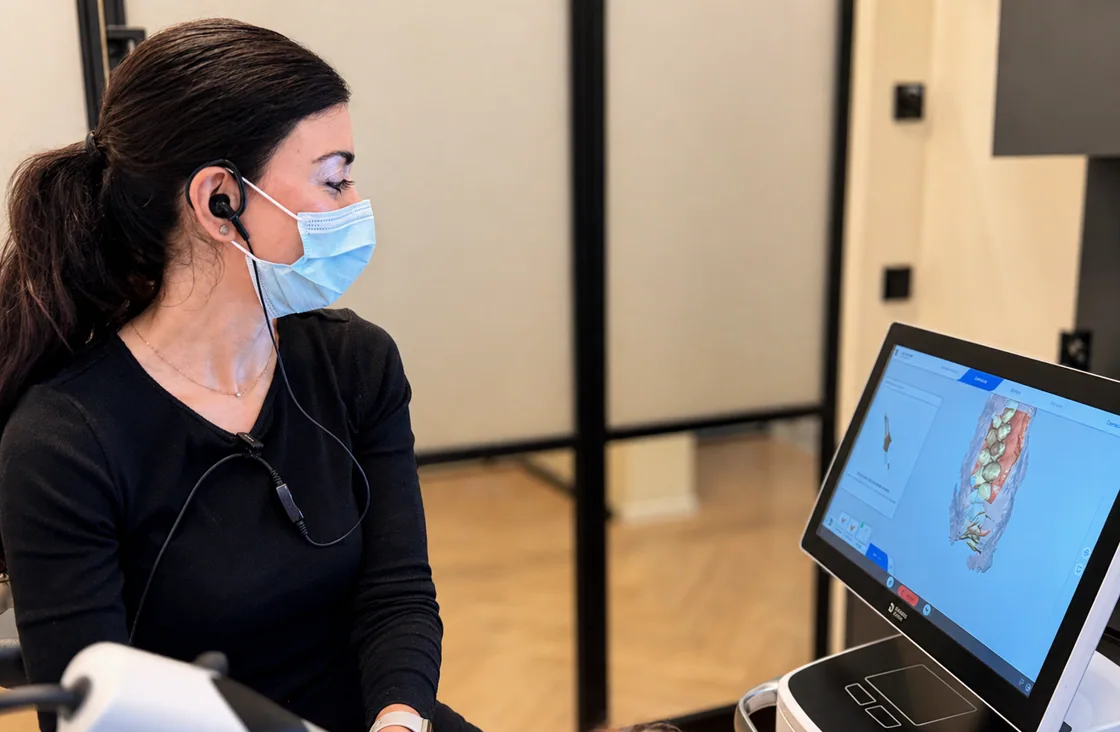
Viewing a digital dental arch on a monitor
Digital planning and reviewing the images together on the monitor.

Everyday life with aligners

What everyday life
with aligners involves.

Daily wear time depends on the system used and your treatment plan. The ClearCorrect instructions linked below specify at least 22 hours a day. Aligners are removed for eating. Before starting, consider how this fits with your meals, work and oral care.

Consistent use and agreed check-ups are part of treatment. If your aligners do not fit or wearing them is difficult, please speak to us.

Book an aligner consultation

Keeping aligners and teeth clean

After eating, clean your teeth and the spaces between them before reinserting your aligners. The linked manufacturer instructions specify a toothbrush and cold water for ClearCorrect. Follow the product and care instructions discussed with you for your aligners. Avoid hot, sugary or staining drinks while wearing them.

Store removed aligners in the case provided. Regular dental checks and individually tailored professional dental cleaning remain important during teeth straightening.

Wear and care: ClearCorrect patient instructions.

After tooth movement

The new position
needs ongoing support.

Planning does not end with the last active aligner. Teeth can shift again. That is why retention — stabilising the position achieved — is part of the plan from the outset.

We agree individually which retainers would be suitable and how you should wear them. This is a long-term phase; retainers also need care, checks and replacement where necessary. Contact the practice if a retainer no longer fits or is damaged.

If changes to tooth colour or tooth edges are planned later, we coordinate the sequence with retention. Possible treatment with Veneers also belongs in a coordinated plan.

Duration & costs

A plan for your findings.

The extent and duration depend on the planned movements, starting conditions and progress. After the examination, we give you an estimated timeframe. A fixed number of months for every patient would not reflect individual treatment.

Private aligner treatment is charged according to the German dental fee schedule (GOZ). Before treatment begins, you receive a treatment and cost plan for diagnostics, active treatment and retention, as well as any additional services. Purely cosmetic services requested by you and their fees are agreed in writing in advance. Use this plan to clarify possible reimbursement with your insurer before starting; reimbursement is not guaranteed.

Book an aligner consultation

Information to help you decide

How aligners fit your everyday life

Consider wear time and the period afterwards.

Consider the whole bite

Even if only one front tooth bothers you, tooth positions, gums and your bite are examined. Not every desired movement can be achieved with aligners.

Plan realistically for wear time

Removable aligners only work when worn consistently. Discuss the planned schedule and consider how meals and cleaning fit around it.

Understand auxiliary components

Small bonded attachments or other measures may be necessary. Before treatment, ask which are planned and why.

Attend check-ups

A digital preview does not replace progress checks. Fit and tooth movement need monitoring; poorly fitting aligners or persistent discomfort should be discussed.

Include stabilisation in the plan

Teeth can shift again after active treatment. Retainers and their checks therefore belong in the treatment plan from the beginning.

Frequently asked questions

What you should know beforehand.

Is treatment pain-free?

Pressure, sensitivity or pain can occur, particularly when changing to a new aligner. Irritation in the mouth is also possible. Please contact us if symptoms are severe or persistent, or if your aligners fit poorly. We discuss your individual risks before treatment begins.

Are aligners really invisible?

Aligners are clear and often discreet. They may nevertheless be noticeable depending on the light and viewing angle; attachments may also be visible. Speaking and wearing them can take some getting used to initially.

Do “invisible braces” mean braces behind the teeth?

People use this term to search for different methods. Aligners are removable trays that fit over the teeth. Lingual braces, by contrast, are fixed to the inner surfaces of the teeth. We provide advice on aligners; fixed braces behind the teeth require a suitably specialised orthodontic consultation.

The British Orthodontic Society explains the different types of braces.

Can I have just the visible front teeth corrected?

Even a small aesthetic concern requires consideration of the entire bite. The examination shows whether a limited correction is possible or whether other teeth would need to be included.

What should I do if an aligner is lost or damaged?

Contact the practice so that we can agree on the next steps. Do not move several stages ahead yourself or alter the aligner. Keep the aligners you last wore available in case we need further information.

Can I see the plan in advance?

We discuss the planned tooth movements with you. For broader aesthetic questions, Smile Design can also help communication. The records and visualisations that would be useful depend on the findings.

Consultation in Cologne

Let us start with your concern.

During the examination, we assess whether aligners are an option for your tooth positions and everyday life.

Book an aligner consultation

Or call us on 0221 669 401 80.