SMILE meets DESIGN · Dental knowledge

Your question.
Find the explanation.

Understand a term, explore a guide or watch an explanation. Find a starting point and follow the links to related topics.

Explore in-depth guides

In-depth guides

What would you like to learn more about?

Choose a topic and open its digital edition: selected explanations, medical illustrations and links to explore further. Read chapter by chapter at your own pace.

Aligners & retainersQuestions about tooth alignment, everyday life with aligners and what follows.
SMILE meets DESIGN Zahnmedizin
IN-DEPTH GUIDE / 01Edition
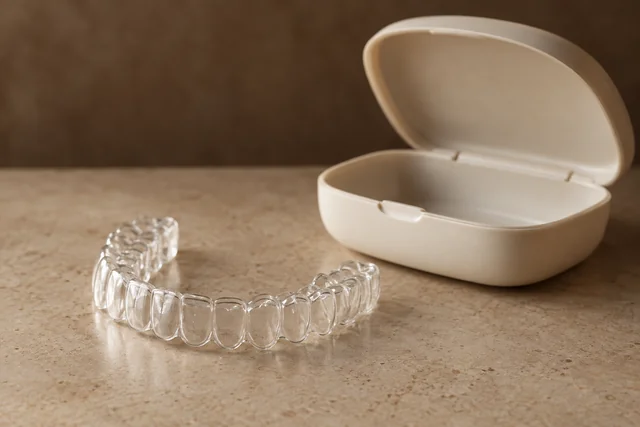
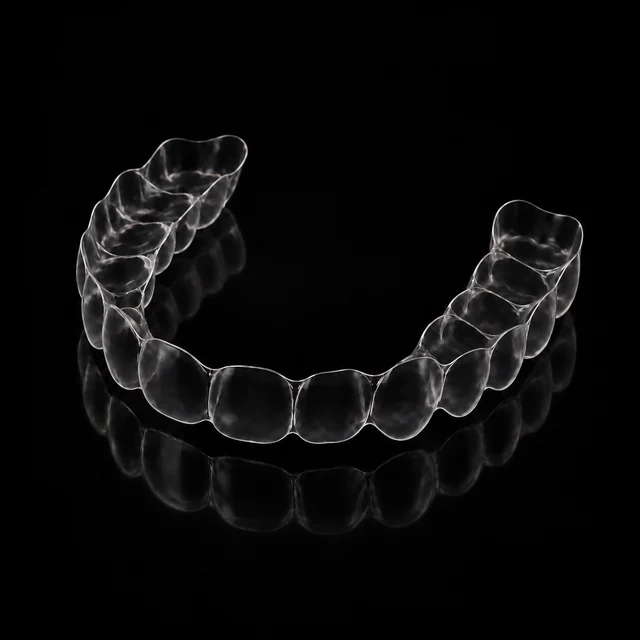
Clear dental aligner on a dark background.AI-generated

Knowledge. In context.

Aligners & retainers

Illustration for guidance; not a patient case.

Questions about tooth alignment, everyday life with aligners and what follows.

3 chapters · About 2 min to read

Start reading

What can be changed in my case?

Perhaps a gap or a crowded front tooth bothers you. Sound planning needs more than this single view of your smile. The relationship between the upper and lower jaws and the condition of your teeth and gums also need examination. Some movements can be planned well with aligners; others may require additional measures or a different treatment.

Ask specifically: what is a realistic aim given my findings? What are the limitations? Which alternatives are suitable? An on-screen visualisation shows a planned course. It does not guarantee that your teeth will move exactly that way or within exactly that time.

Read the full guide

Five questions before aligner treatment.
Editorial review: September 2026

Source text clinically reviewed by Dr. med. dent. Niusha Barahmand Pour ·

Distinguish aligner care from tooth care

Aligners also need cleaning after removal. The British Orthodontic Society describes using cold water, a toothbrush and a suitable cleaning method. For your particular aligner, follow the advice of your treating practice and the manufacturer; not every tooth-cleaning product is automatically suitable for every plastic. Ask to be shown how to clean the inside and outside and which additional cleaners may be appropriate. BOS: Patient information on aligners

A small bag with the agreed care items is useful when you are out. Put aligners straight in their designated place, rather than having to search for them among napkins, cutlery and packaging. This organisational habit is simple but makes the day easier to manage.

Read the full guide

Aligners in everyday life: A routine that fits your day.
Editorial review date: 23 September 2026

Source text clinically reviewed by Dr. med. dent. Niusha Barahmand Pour ·

Removable or fixed?

A removable retainer is worn according to a personal schedule. A fixed retainer is typically bonded to the inner surfaces of the front teeth and stays there. Both types need attention: consistent wear matters for removable retainers; a fixed retainer needs careful cleaning and checks of its attachment. The suitable option or combination is chosen individually. BOS: Differences between retainer types

Ask to see the chosen retainer in a mirror. Ask how you might recognise a change and which areas need particular care when cleaning. A “small wire behind the teeth” should not remain an unseen part of treatment that you know nothing about.

Read the full guide

Keeping teeth straight: Why a retainer follows correction.
Editorial review: 23 September 2026

Source text clinically reviewed by Dr. med. dent. Niusha Barahmand Pour ·
Veneers & tooth shapeTerms and questions for a discussion about veneers and tooth shape.
SMILE meets DESIGN Zahnmedizin
IN-DEPTH GUIDE / 02Edition
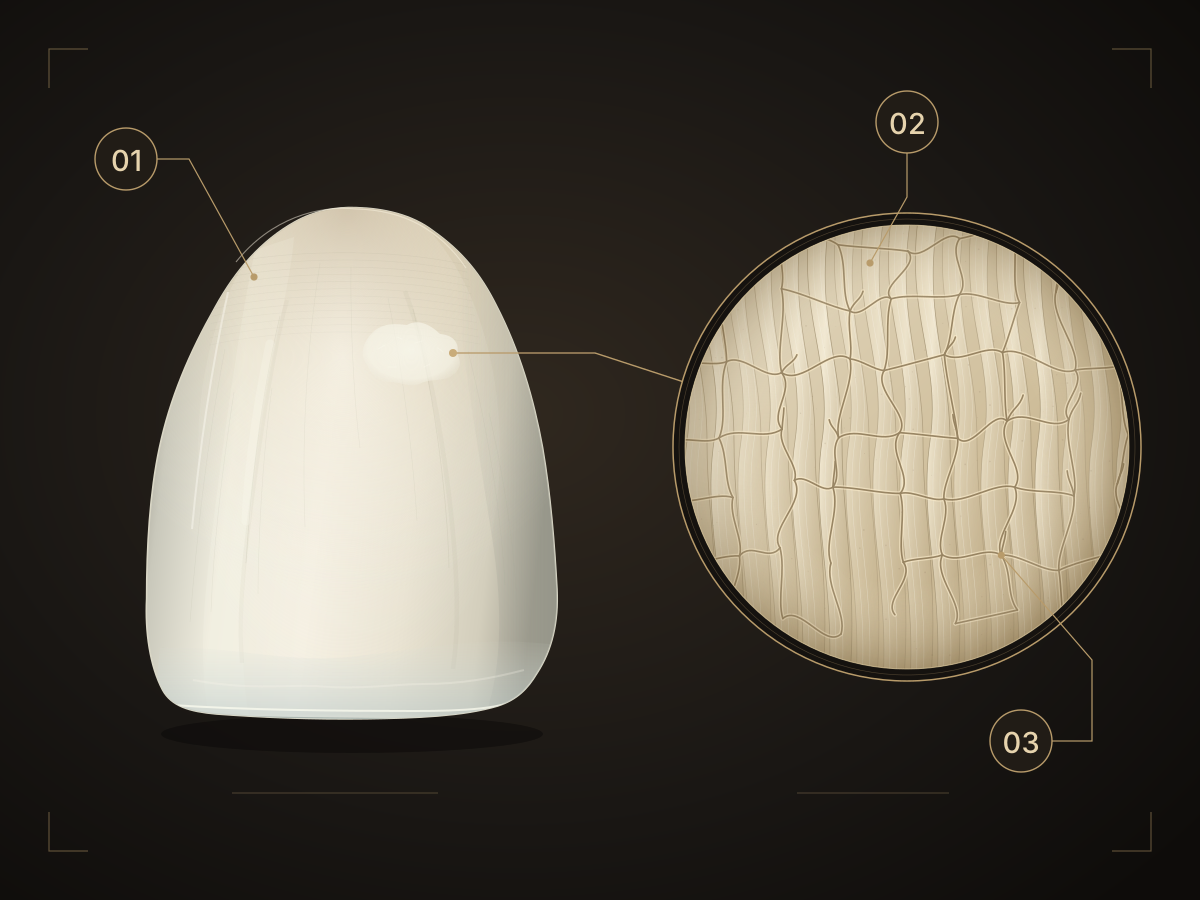
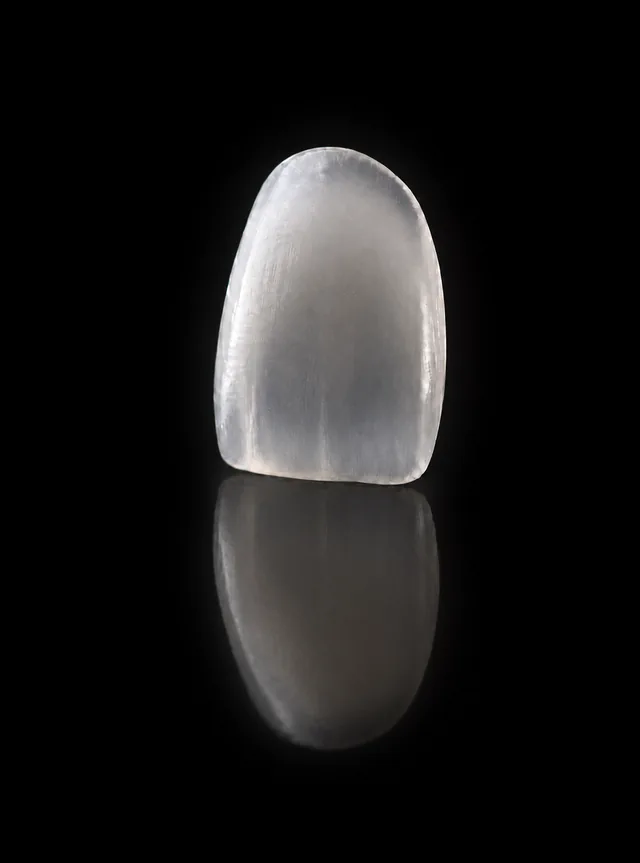
A single ceramic veneer on a dark background.AI-generated

Knowledge. In context.

Veneers & tooth shape

Illustration for guidance; not a patient case.

Terms and questions for a discussion about veneers and tooth shape.

3 chapters · About 2 min to read

Start reading

Understand what a veneer does

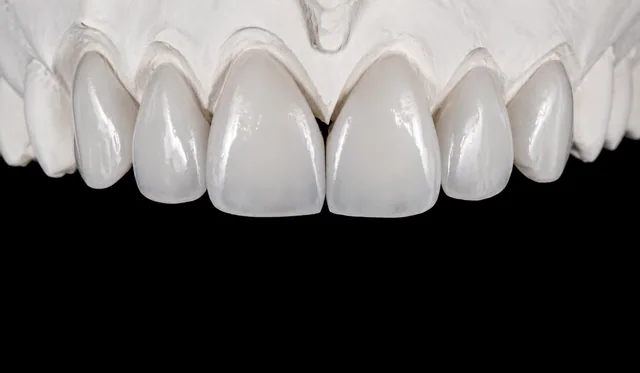
A veneer is a thin facing attached to the front surface of a tooth. It can, for example, change the visible shape or colour. A crown, by contrast, covers considerably more of the tooth. Veneers can be made from ceramic or composite; the materials and how they are used differ. ADA: Veneers

Ask for the aim for each tooth to be explained. “A more harmonious smile” sounds pleasant but is still too vague for a decision. Which corner, width or colour difference is to change? And which individual features do you deliberately want to keep? Your wishes can be specific without becoming a firm promise of results.

Read the full guide

Veneers: five points to consider before deciding.
Editorial review date: 23 September 2026

Source text clinically reviewed by Dr. med. dent. Niusha Barahmand Pour ·

Clarify how your own tooth structure will be affected

Some veneers require a small amount to be removed from the front of the tooth; not every restoration needs the same preparation. The British NHS expressly notes that not every veneer requires tooth preparation by grinding. This does not, however, establish whether a version without such removal is suitable for an individual tooth. NHS: Dental veneers

If enamel is removed, that change cannot be reversed. Before treatment begins, therefore, ask what preparation is planned and why. Terms such as “minimal” or “non-prep” do not replace that explanation. ADA: What to consider before a veneer

Read the full guide

Veneers: five points to consider before deciding.
Editorial review date: 23 September 2026

Source text clinically reviewed by Dr. med. dent. Niusha Barahmand Pour ·

Clean every tooth surface gently

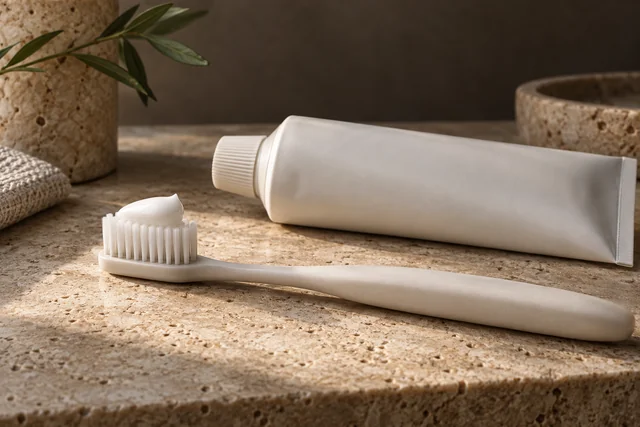
Brush twice daily for about two minutes with a soft toothbrush and fluoride toothpaste. Clean outer, inner and chewing surfaces in a consistent order. Include the backs of the front teeth and the gumline. More pressure does not make cleaning more thorough.

Highly abrasive products are not a useful shortcut to a fresher appearance. If you are unsure, bring your toothpaste and brush to your appointment. This makes it possible to discuss the actual products rather than search for a supposedly essential specialist brand.

American Dental Association, MouthHealthy: Brushing Your Teeth · Cleveland Clinic: Veneers, reviewed 18 July 2022

Read the full guide

Everyday veneer care: cleaning, wear and warning signs
Published on 07.11.2026

Source text clinically reviewed by Dr. med. dent. Niusha Barahmand Pour ·

Whitening & tooth colourInformation about tooth colour, preparation and everyday life after whitening.
SMILE meets DESIGN Zahnmedizin
IN-DEPTH GUIDE / 03Edition
Different tooth shade samples side by side.AI-generated

Knowledge. In context.

Whitening & tooth colour

Illustration for guidance; not a patient case.

Information about tooth colour, preparation and everyday life after whitening.

3 chapters · About 2 min to read

Start reading

What is examined before whitening?

Healthy teeth and gums are essential before whitening. Checks include decay and conspicuous or leaking fillings and crowns. Teeth that are already sensitive also need discussion. An unremarkable colour in a photograph cannot replace this examination. BZÄK: Requirements and possible side effects

It helps to describe symptoms specifically at your appointment: how long has the sensitivity been present? Does it affect one tooth or several? General health conditions, medicines and previous dental treatment are also part of the dental history. Additional investigations depend on the findings; not every consultation automatically requires a new X-ray. NHS: What is discussed at a dental examination

Read the full guide

Whitening: what should be clarified before lightening your teeth.
Editorial review: 23 September 2026

Source text clinically reviewed by Dr. med. dent. Niusha Barahmand Pour ·
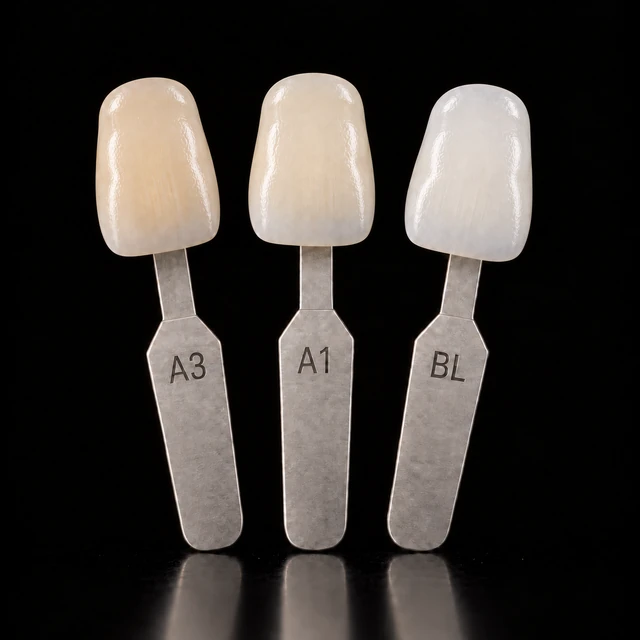
Natural teeth and restorative materials respond differently

Whitening agents can lighten natural tooth substance. An existing ceramic crown or tooth-coloured filling does not become correspondingly lighter. Whitening a neighbouring tooth can therefore reveal a colour difference even though the restoration itself has not changed. The American Dental Association recommends recording existing restorations during the examination and discussing expectations in advance. ADA: Whitening

A simple hypothetical example: a front tooth crown currently matches its neighbours well. If those teeth become considerably lighter, the previously matching crown may look darker by comparison. This does not prove that it has suddenly become stained or damaged. It initially shows that the surrounding colours have changed. This example explains a possible effect; it does not describe a specific case from our practice.

Read the full guide

Whitening with fillings or crowns: What actually becomes lighter?
Editorial review: 23 September 2026

Source text clinically reviewed by Dr. med. dent. Niusha Barahmand Pour ·
After teeth whitening: eating, drinking and dental care

Do I need a white diet for 48 or 72 hours?

That is not a universal time limit for every whitening treatment. For fläsh, the manufacturer specifies four hours. Other systems, additional treatments or your findings may require different advice. The reviewed clinical studies do not establish a blanket restriction to white foods for several days.

When should I call the practice?

For severe, worsening or persistent symptoms, or changes that worry you. New swelling should also be assessed promptly. This guide does not replace an examination. During treatment, report pain or burning immediately.

Read the full guide

After teeth whitening: eating, drinking and dental care
Editorial source review: 4 November 2026.

Source text clinically reviewed by Dr. med. dent. Niusha Barahmand Pour ·

Prevention & oral careAnswers about dental cleaning, deposits and daily oral care.
SMILE meets DESIGN Zahnmedizin
IN-DEPTH GUIDE / 04Edition
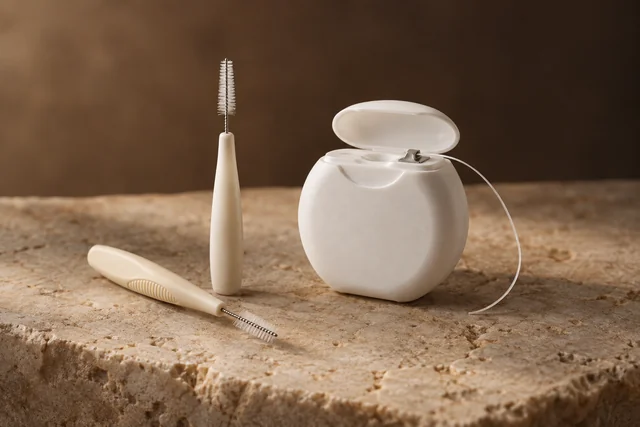
Dental floss and interdental brushes on a light surface.AI-generated

Knowledge. In context.

Prevention & oral care

Illustration for guidance; not a patient case.

Answers about dental cleaning, deposits and daily oral care.

3 chapters · About 2 min to read

Start reading

What does professional teeth cleaning add?

Professional teeth cleaning also addresses soft deposits, accessible spaces between teeth and external staining. Depending on the situation, it includes smoothing and polishing surfaces and suitable fluoride applications. Another important part is advice on daily care: which interdental brush fits, and where are deposits easily left behind when brushing?

Cleaning is adapted to your teeth and restorations. It complements oral care at home. It does not specifically lighten the natural tooth colour as whitening does; removing surface deposits may simply make teeth look brighter.

Read the full guide

Removing tartar. Or professional teeth cleaning?
Editorial review: September 2026

Source text clinically reviewed by Dr. med. dent. Niusha Barahmand Pour ·

A routine that fits your everyday life

The KZBV recommends cleaning between teeth daily in addition to brushing twice a day. Set aside a fixed, easily accessible place in the bathroom and choose a time when you are not rushed. A useful question at your appointment is: “Can you show me on my own teeth how to reach the difficult areas?” KZBV: Prevention and early detection

You can bring three observations to your next discussion: where is it difficult to reach? Where does the floss catch? Which aid feels comfortable to hold? These specific details are more helpful than searching for a product claimed to be best for everyone.

Read the full guide

Cleaning between teeth: floss or interdental brushes?
Editorial review: 23 September 2026

Source text clinically reviewed by Dr. med. dent. Niusha Barahmand Pour ·
Fluoride: why the right amount matters

The right amount matters particularly for children. Excessive intake over a longer period during tooth development can promote dental fluorosis. The German Federal Institute for Risk Assessment (BfR) therefore points out that accidentally swallowed toothpaste needs to be included in the assessment. It recommends fluoride for decay prevention particularly as a local application to the teeth and advises against using it as a regular food supplement. BfR: Fluoride — questions and answers, March 2026

A simple way to prepare for your appointment: photograph the toothpaste tube you use and note any other fluoride-containing products. For children, include any fluoride tablets too. This makes it possible to discuss use more specifically than saying “We use children's toothpaste”.

Read the full guide

Fluoride in toothpaste: four claims fact-checked
Editorial review: 23 September 2026

Source text clinically reviewed by Dr. med. dent. Niusha Barahmand Pour ·
Gum health & periodontitisTerms and guides about gums, examination and follow-up care.
SMILE meets DESIGN Zahnmedizin
IN-DEPTH GUIDE / 05Edition
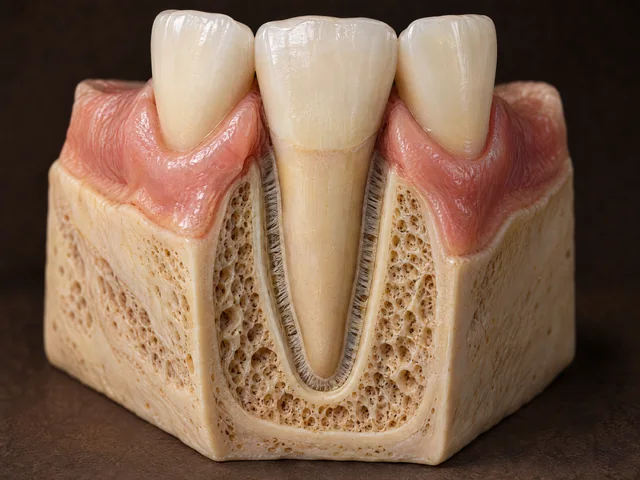
Simplified cutaway model of a tooth, gum and surrounding bone.AI-generated

Knowledge. In context.

Gum health & periodontitis

Simplified anatomy, not to scale: the periodontal ligament space is enlarged. The exposed cross-section is for explanation and does not show tissue damage caused by disease.

Terms and guides about gums, examination and follow-up care.

3 chapters · About 2 min to read

Start reading

When and where does it bleed?

A simple description helps: since when, in which area and on what occasions. Does it happen when brushing, cleaning between your teeth or even without touching? Have you also noticed swelling, pain or bad breath? You do not need to identify the cause yourself. The observation alone is a good reason for an appointment. The British health service, the NHS, recommends dental assessment for bleeding, painful or swollen gums. NHS: Gum disease

Write down a few clear details rather than constantly checking your teeth. For example: “For a few days, the same area on the lower right has bled when I brush.” Even if you do not know exactly which tooth is involved, you can show us the area at your appointment.

Read the full guide

Bleeding gums: what is assessed at your appointment
Editorial review: 23 September 2026

Source text clinically reviewed by Dr. med. dent. Niusha Barahmand Pour ·
What does the gum check show?

One early detection examination is the Periodontal Screening Index, or PSI. A special probe is used to check for signs of disease in the tooth-supporting structures. The result helps assess whether a more detailed examination is needed. An abnormal screening score is not yet a complete diagnosis. Depending on the findings, further examinations and, if appropriate, X-rays may follow. KZBV: Der Parodontale Screening Index

People with German statutory health insurance are generally entitled to a PSI every two years; special billing rules apply during systematic periodontitis treatment. This describes an early detection service. Symptoms should be mentioned regardless of that interval. Ask for the result to be explained and what specific next step follows from it. KZBV: PSI and statutory health insurance benefits

Read the full guide

Bleeding gums: what is assessed at your appointment
Editorial review: 23 September 2026

Source text clinically reviewed by Dr. med. dent. Niusha Barahmand Pour ·
What should I do until the appointment?

Daily care should continue to include gentle brushing with fluoride toothpaste and suitable cleaning between the teeth. If you are unsure, ask to be shown the technique. If your gums are very painful or clearly swollen, or teeth have newly become loose, call promptly to arrange an appropriate appointment. NHS: Care and reasons for an urgent examination

You do not need a perfect care routine or a complete explanation for the conversation. What matters is working out together what is behind the bleeding and which care or treatment suits your findings.

Read the full guide

Bleeding gums: what is assessed at your appointment
Editorial review: 23 September 2026

Source text clinically reviewed by Dr. med. dent. Niusha Barahmand Pour ·
Decay, fillings & root canal treatmentExplanations of tooth damage, existing fillings and options for preserving teeth.
SMILE meets DESIGN Zahnmedizin
IN-DEPTH GUIDE / 06Edition
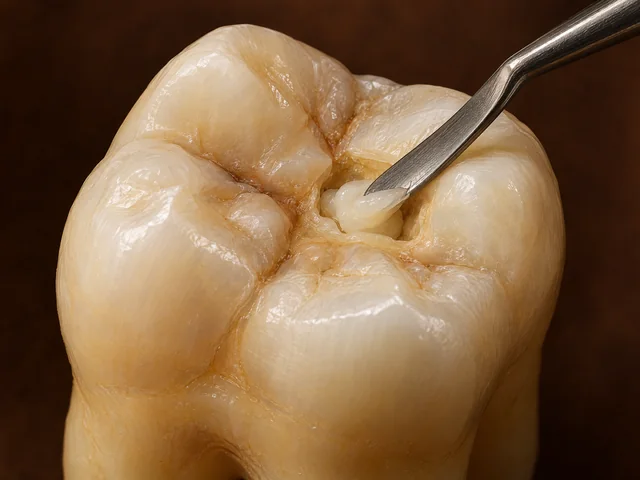
Teaching illustration of a tooth-coloured filling in a back tooth.AI-generated

Knowledge. In context.

Decay, fillings & root canal treatment

Illustration for guidance; not a patient case.

Explanations of tooth damage, existing fillings and options for preserving teeth.

3 chapters · About 2 min to read

Start reading

Early decay: the process before a cavity.

In tooth decay, bacteria in dental plaque produce acids from sugar. If more minerals are lost over time than are replaced, the enamel changes. An early lesion may look whitish even though the surface has not yet broken down. At this stage, the process can be arrested under suitable conditions; fluoride and minerals from saliva support remineralisation. However, an existing cavity does not grow back in this way. NIDCR: Early decay and cavities

Disease activity and visibility are not the same: even an arrested lesion may remain visible as a spot. Before making a cosmetic change, we therefore clarify whether active decay needs treatment. Clinical study of inactive white spots

Read the full guide

White spots: Is every white mark tooth decay?
Editorial review date: 24 September 2026

Source text clinically reviewed by Dr. med. dent. Niusha Barahmand Pour ·

How can you tell whether a filling is still sound?

Several aspects are assessed together: the junction between filling and tooth, how securely the material is held, possible fractures, forces when biting and signs of decay. Symptoms also matter. The international FDI criteria expressly distinguish between function, biological condition and appearance. A colour change is therefore different from a confirmed defect. Professional publication on the FDI criteria

For the conversation, describe as precisely as possible what you have noticed. Is it a visible area? Does food get caught there more often? Or has the tooth recently started reacting when you chew? These observations allow a more focused discussion than assuming a filling is simply “too old”.

Read the full guide

Does an old filling need replacing?
Editorial review date: 23.09.2026

Source text clinically reviewed by Dr. med. dent. Niusha Barahmand Pour ·

What is actually treated?

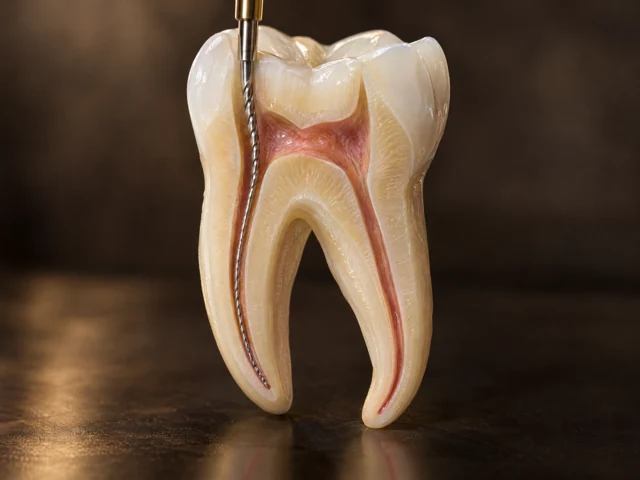
Inside a tooth is the pulp, a tissue containing nerves and blood vessels. It can become diseased through deep decay or injury, for example. If this tissue can no longer recover or has already died, root canal treatment may be an option. This treats the diseased tissue inside the tooth; the natural root is intended to be preserved. DGET: Patient information on root canal treatment

The decision therefore involves more than how much a tooth currently hurts. The German Society of Endodontology and Dental Traumatology explains that preserving a tooth may be possible even with considerable symptoms. An examination must establish their cause and which treatment may be suitable. DGET: Patient questions

Read the full guide

Root canal treatment: when can your own tooth be preserved?
Editorial review: 23 September 2026

Source text clinically reviewed by Dr. med. dent. Niusha Barahmand Pour ·
Crowns, bridges & implantsDifferences between restorations and questions about planning, care and repair.
SMILE meets DESIGN Zahnmedizin
IN-DEPTH GUIDE / 07Edition
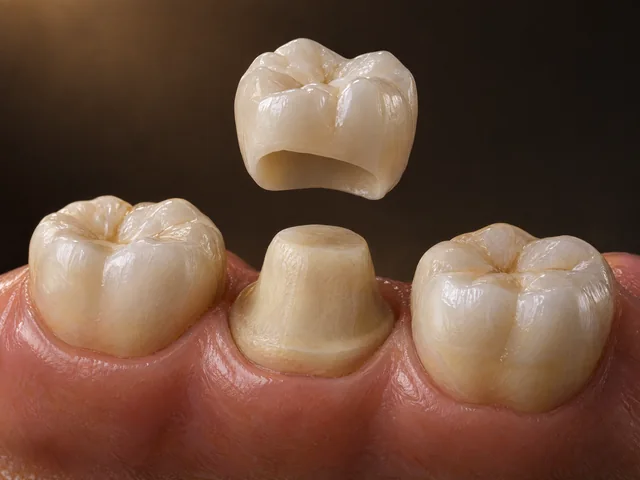
Teaching model of a crown above a prepared back tooth.AI-generated

Knowledge. In context.

Crowns, bridges & implants

Illustration for guidance; not a patient case.

Differences between restorations and questions about planning, care and repair.

3 chapters · About 2 min to read

Start reading

Comparing inlays, partial crowns and crowns

  • Inlay: an indirect filling fitted inside the tooth.
  • Partial crown: a restoration that may also cover weakened parts of the chewing surface.
  • Full crown: more extensive coverage of the prepared tooth.

All three are fitted onto or into an existing tooth. They do not replace a missing tooth root. IQWiG: Arten von Zahnersatz

Go to the explanation: Inlay · Partial and full crowns · Questions for your appointment.

Read the full guide

Inlay, partial crown or crown: what does my tooth need?
Editorial update: 31 October 2026

Source text clinically reviewed by Dr. med. dent. Niusha Barahmand Pour ·

A good decision leaves room for questions

Take your wishes seriously: perhaps comfortable chewing is your priority, or perhaps the visible gap when speaking. Also say if you would like to avoid surgery or have limited time for treatment. These details do not replace the clinical findings, but they belong in the discussion of a suitable approach.

A comparison of the options that are actually suitable, with a clear process and individual costs, can help. You do not need to choose “bridge” or “implant” beforehand. First ask for a reasoned recommendation and an explanation of the alternative. This helps you make a decision you understand and can live with day to day.

Read the full guide

A missing tooth: bridge or implant – what determines the choice?
Editorial review: 23 September 2026

Source text clinically reviewed by Dr. med. dent. Niusha Barahmand Pour ·

Choose the right aid

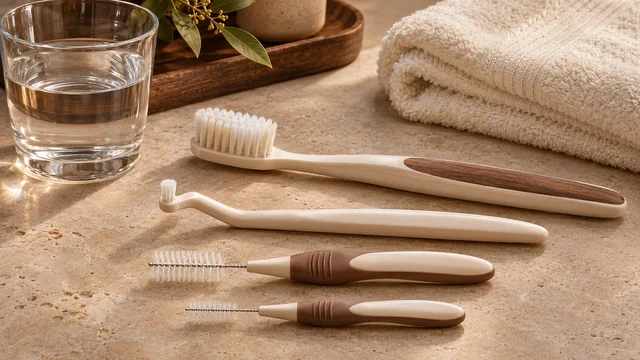
Spaces between teeth vary in width. The German Dental Association recommends interdental brushes particularly for open spaces; floss may be suitable for tight contacts. Their use should be explained individually. BZÄK: Floss and interdental care

A bridge also has areas beneath the replacement tooth. Ask specifically which aid can reach these areas in your particular design. Have its use demonstrated and, if possible, try it yourself. The aim is not to own as many brushes or types of floss as possible. What matters is reaching the intended surfaces effectively and gently.

Read the full guide

Caring for fixed restorations: five things that matter
Editorial review date: 23.09.2026

Source text clinically reviewed by Dr. med. dent. Niusha Barahmand Pour ·
Jaw, grinding & sleepInformation about jaw problems, different appliances and the assessment of snoring.
SMILE meets DESIGN Zahnmedizin
IN-DEPTH GUIDE / 08Edition
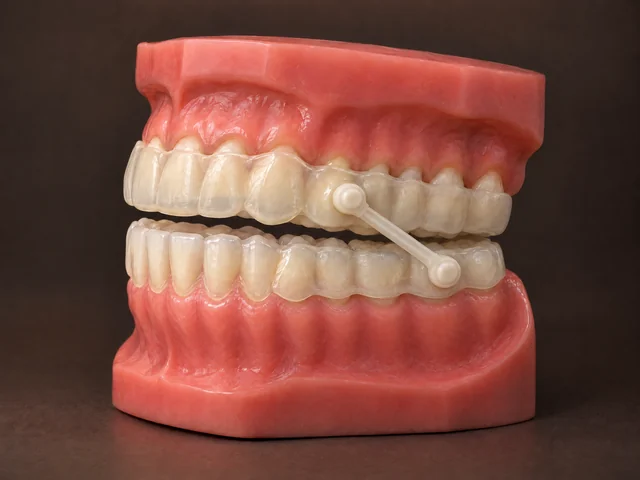
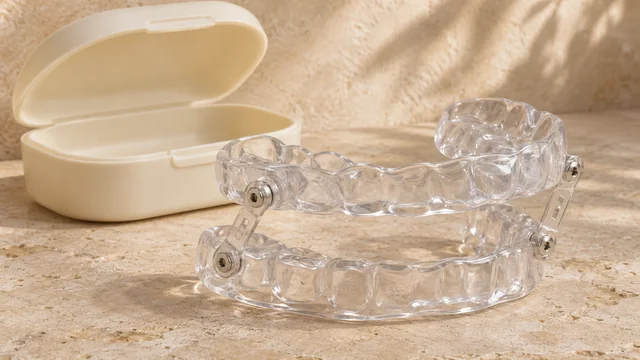
Illustrative two-part dental appliance with side connectors.AI-generated

Knowledge. In context.

Understanding snoring

Illustrative example: the design and setting of an appliance are determined individually.

Why people snore, when medical assessment matters and how a custom-made oral appliance may help. Five chapters on causes, limitations and everyday appliance care.

5 chapters · About 4 min to read

Start reading

Why do people snore?

Muscles relax during sleep. This can change the space available for breathing around the tongue, soft palate and other tissues. Airflow through a narrower area can make tissues vibrate. The source of the sound differs between people, so a single tip or an off-the-shelf aid is not automatically suitable for everyone.

Restricted nasal breathing, individual jaw and throat anatomy, alcohol in the evening or sleeping on the back can play a role. Body weight and certain medicines can also affect breathing during sleep. This does not mean snoring is always self-inflicted or will disappear after one change. Do not stop prescribed medicines on your own.

MedlinePlus: Snoring – adults, reviewed July 3, 2025 · IQWiG: Obstruktive Schlafapnoe, aktualisiert am 8. Juli 2026

Read the full guide

Snoring: causes, warning signs and helpful next steps
Published on 07.11.2026

Source text clinically reviewed by Dr. med. dent. Niusha Barahmand Pour ·
These observations deserve medical assessment

Observed pauses in breathing, repeated gasping or choking during sleep and marked daytime sleepiness are particularly important. Morning headaches and concentration problems can occur too, but are not specific to sleep apnoea. Describe what is happening without assigning yourself a diagnosis.

If you are struggling to stay awake while driving, do not continue driving and seek timely medical advice. Severe acute breathlessness while awake is different: do not wait for a snoring appointment. Call 112 for this emergency.

IQWiG: Obstruktive Schlafapnoe, aktualisiert am 8. Juli 2026 · NHS: Snoring, reviewed August 4, 2023 · gesund.bund.de: Notaufnahme

Read the full guide

Snoring: causes, warning signs and helpful next steps
Published on 07.11.2026

Source text clinically reviewed by Dr. med. dent. Niusha Barahmand Pour ·
Understand what a mandibular advancement device does

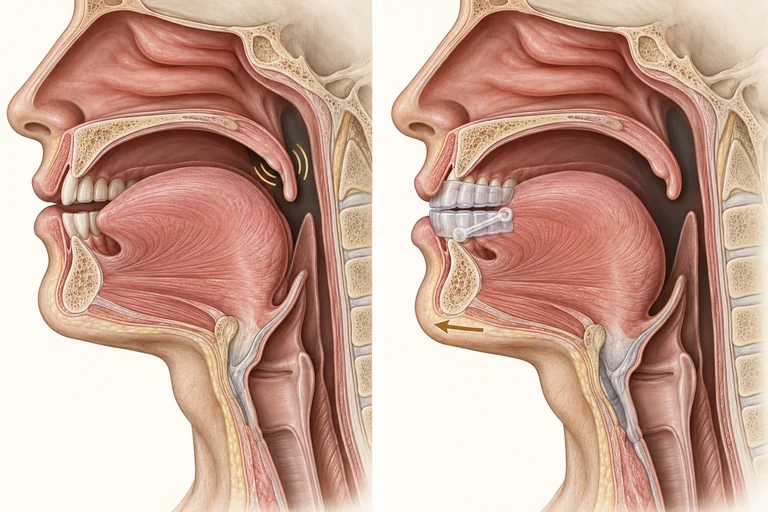
This type of appliance consists of two custom-fitted splints for the upper and lower jaws. Connectors link them and hold the lower jaw in an adjusted, more forward position during sleep. This can create more space in the throat. The precise setting is tailored to the individual. DGZS: Treatment with dental appliances

A mandibular advancement device may be an option for suitable people with mild or moderate sleep apnoea. It may also be an alternative if CPAP therapy cannot be used adequately. This does not mean that everyone who snores needs such a device, or that it treats every case of sleep apnoea sufficiently. IQWiG: When a mandibular advancement device may be an option

Do not independently replace prescribed CPAP treatment with an appliance.

Two schematic side cutaway views: a narrowed throat on the left; a device holding the lower jaw forwards and a wider illustrated airway on the right.AI-generated
Simplified illustration of the principle, with the device visible from the side. Anatomy, movement and airway width are not to scale. This is not a patient case or an individual treatment outcome.
Read the full guide

Anti-snoring appliances: why assessment comes first
Editorial review date: 23.09.2026

Source text clinically reviewed by Dr. med. dent. Niusha Barahmand Pour ·
From an idea to a treatment pathway that can be checked

The sequence depends on the findings and coordination between the professionals involved. Responsibilities should be clear: who assesses breathing during sleep, who fits the appliance and who checks its effect? The steps below describe the principle, not a guaranteed process or fixed number of appointments at SMD.

  1. Assessment: a clinician evaluates symptoms, observations and, where indicated, sleep measurements.
  2. Dental examination: teeth, supporting tissues, existing restorations and jaw function are assessed.
  3. Making and fitting the device: individual impressions or digital records and a bite registration provide the basis; fit and handling are checked.
  4. Adjustment: advancement is changed according to the agreed plan while symptoms and tolerance are monitored.
  5. Effectiveness and follow-up: in sleep apnoea, the treatment effect is medically assessed; teeth and bite continue to be monitored over time.

G-BA: Änderung der Behandlungs-Richtlinie zur Unterkieferprotrusionsschiene, Beschluss vom 6. Mai 2021 · AADSM: Dental Sleep Medicine Standards for Screening, Treatment, and Management of Sleep-Related Breathing Disorders in Adults Using Oral Appliance Therapy, 2025

Read the full guide

Snoring appliances: how they work, suitability and finding the right setting
Published on 07.11.2026

Source text clinically reviewed by Dr. med. dent. Niusha Barahmand Pour ·
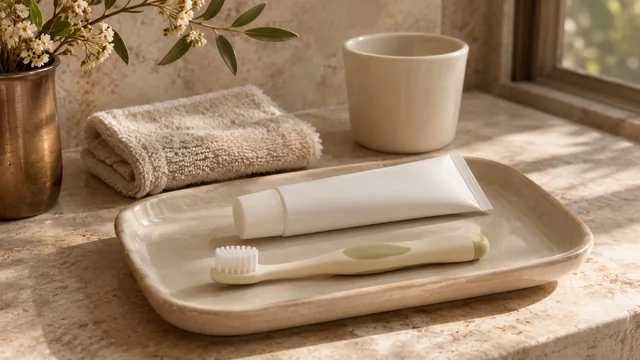
A simple morning and evening routine

It helps to have each step demonstrated when the appliance is supplied and then practise it yourself. Written instructions are useful, especially when several parts or settings are involved. The following overview does not replace instructions for the specific device.

  1. In the evening: clean teeth and interdental spaces as advised, then insert the appliance using the demonstrated technique.
  2. In the morning: remove it carefully and look for visible cracks, loose connectors or sharp areas.
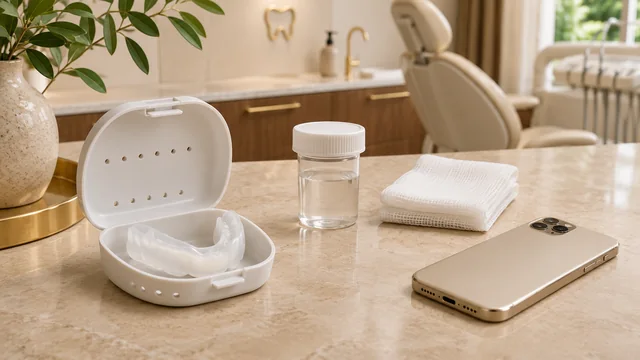
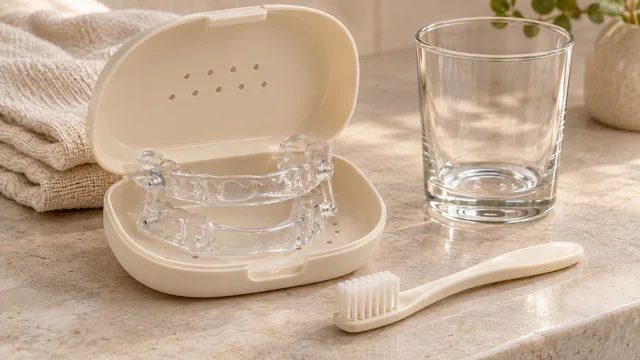
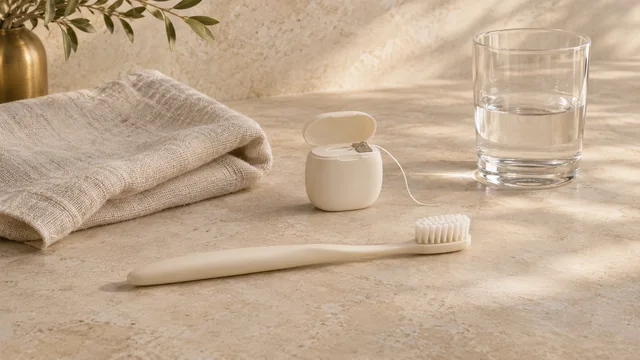
  3. Cleaning: where specified for the device, gently clean it with cool to lukewarm water and a suitable soft brush.
  4. Storage: follow instructions on dryness, moisture, ventilation and a protective container; protect it from heat and damage.
  5. Record uncertainties: report new discomfort, changes in fit or renewed breathing concerns to the treating team.

Optimal Sleep Pathway, February 2025, Appendices D/E: Mandibular Advancement Devices / Managing your Mandibular Advancement Device · Veterans Health Library: Mouthpieces for Sleep Apnea, reviewed May 1, 2025

Read the full guide

Living with a snoring appliance: getting used to it, cleaning and follow-up
Published on 07.11.2026

Source text clinically reviewed by Dr. med. dent. Niusha Barahmand Pour ·

Browse all articles

Dental knowledge · All articles
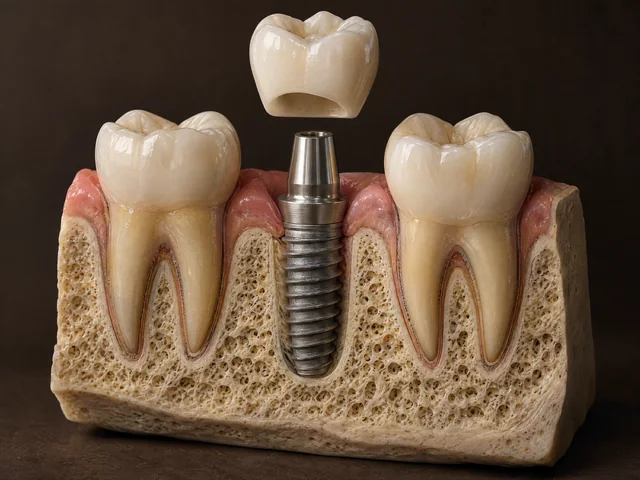
Everyday insights. Guides to explore further.

Browse our regular articles and in-depth guides. Choose a category or explore all articles, with sources for further reading.

The articles provide general guidance. We discuss personally which examination or treatment suits you.

Your questions are welcome

Reading is a start.
The conversation continues.

Would you like to get to know our practice? Our new patients page provides information about your first visit.

Your first visit