
Dental insights · New developments
Diabetes and gums: why both belong together in preventive care
Diabetes and periodontitis can influence each other. What information helps at a dental appointment and what the current guideline recommends.
Editorial review:
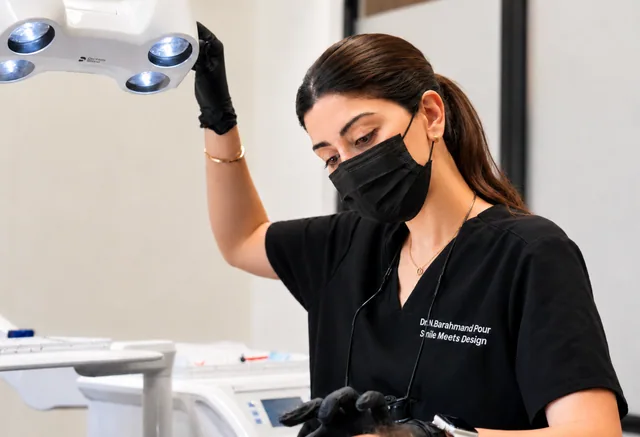
A dental appointment also includes questions about conditions outside the mouth. With diabetes, this information is particularly relevant: poor blood glucose control can promote periodontitis and make its course more difficult. Conversely, untreated periodontitis can make blood glucose harder to control. Oral health and diabetes care should therefore be considered together. S2k guideline on diabetes and periodontitis, 2024
01 What does this have to do with the gums?
Periodontitis involves inflammation of the supporting tissues that anchor teeth in the jaw. Changes may become noticeable through bleeding or swollen gums, among other signs. Diabetes may also be associated with a dry mouth. Mention these observations at your appointment; on their own, they do not allow a reliable diagnosis. NIDCR: Diabetes
Having no symptoms is not a reason to skip check-ups. The German guideline recommends that people with diabetes are examined for periodontal disease at least once a year. Further appointments depend on the findings and any ongoing treatment. S2k guideline on diabetes and periodontitis, recommendation 6
02 What helps with preparation?
Tell the dental practice how long you have been diagnosed with diabetes, which medicines you take and whether your glucose control or health has changed recently. Before more extensive treatment, coordination with your treating doctor may be necessary. Changes to medication times or doses belong in this medical planning. NIDDK: Diabetes and Dental Problems
If you have one, your diabetes health record can support information exchange. The professional societies involved explicitly emphasise cooperation between dental and diabetes care. German Diabetes Association: New S2k guideline, December 2024
A short preparation list is enough: current medicines, any existing health record and your own questions. You do not need to turn it into a medical report. What matters is that relevant information is not known only to one practice while another still has an outdated picture.
03 Does gum treatment also improve diabetes?
Successful periodontitis treatment can have a positive effect on blood glucose control. This is an additional reason to treat diagnosed disease. However, it does not promise that a particular value will improve in everyone. Dental treatment complements diabetes care; it does not replace it. S2k guideline on diabetes and periodontitis, 2024
Two questions are therefore useful for planning: what treatment do my gums need? And what information should the treating practices coordinate? Both belong in a personal discussion before general recommendations become a specific course of action.
04 What can help in everyday life?
Brushing twice a day, carefully cleaning between teeth and attending agreed checks are important elements. Blood glucose control as discussed with your diabetes team and avoiding tobacco also support oral health. NIDCR: Diabetes
The aim is a manageable routine. Please also mention if an aid is difficult to use or the schedule does not work. Unanswered questions can be clarified at the appointment; silently continuing with an unsuitable routine does little to help shared planning.
Your questions belong in the conversation.
We establish what is appropriate for you based on your situation and an examination.
Contact the practiceClinical sources
The linked sources explain the general principles. Individual symptoms and decisions require a personal examination.