What does it mean?
Tastes are perceived less strongly.

Hypogeusia is a reduced ability to taste: basic tastes are perceived less strongly but have not disappeared completely. The term describes a symptom rather than its cause. Changes in the experience of food are assessed alongside smell, oral findings and medicines.
For training & practice ↓
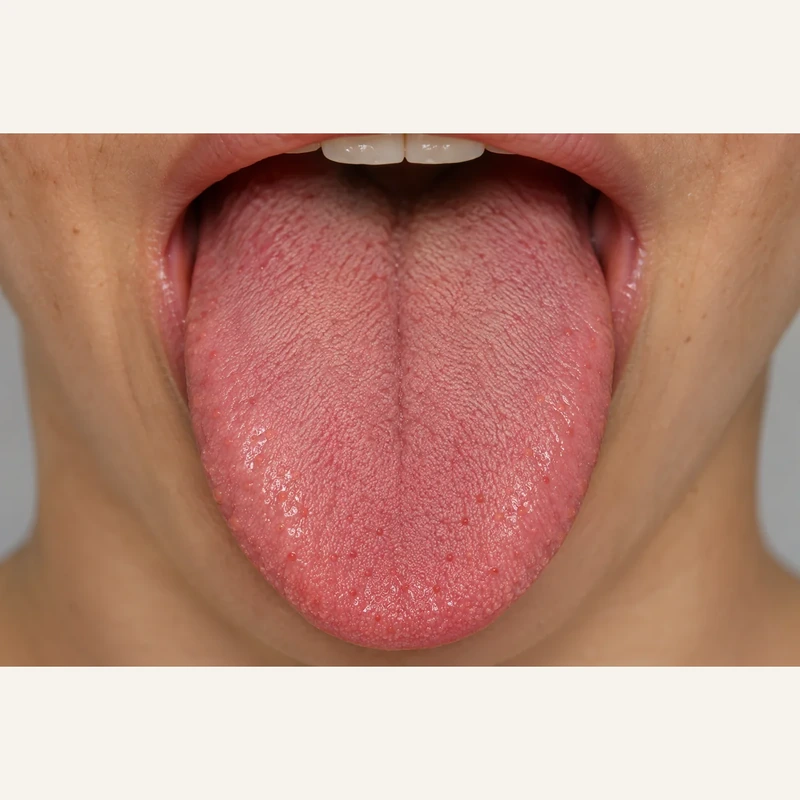
Unlike ageusia, some taste perception remains. Targeted tests can assess whether one or several taste qualities are affected.
Infections, certain medicines and oral conditions may contribute. Events happening at the same time do not, by themselves, establish the cause.
Do not simply keep adding more salt or sugar. Persistent changes need assessment; dietary support may help if eating becomes difficult.
Tastes are perceived less strongly.
Not routinely; discuss the cause and dietary options.
Through history, examination and suitable taste tests.
Three steps. No audio.
Each scene can also be selected manually.

Silent educational film with German on-screen text and simplified teaching images. Not a patient case or a promised treatment outcome. The full English explanation is available as text.
Hypogeusia describes reduced taste sensitivity. Dysgeusia means an altered taste. They may feel different and need a careful description.
No. Reduced smell can also make food seem bland. The two senses therefore need to be distinguished.
Do not stop it yourself. Discuss the onset and course with the prescriber; a change should follow an appropriate assessment.
Note when it began, whether smells have changed, and any dry mouth, pain or difficulty eating.
You can bring this question to your appointment:
Is my taste perception reduced, or is lost flavour mainly due to a problem with smell?
An individual examination can clarify the findings and suitable next steps.
Arrange an assessmentAppointment selection at DoctolibHypogeusia describes reduced taste sensitivity. Dysgeusia means an altered taste. They may feel different and need a careful description.
Editorial research: . General information, not an individual diagnosis or treatment recommendation. Teaching illustrations are simplified and do not depict a patient case.
If you turn this on, this website stores which guides you open, separately from advertising preferences. The markers expire after a fixed 30-day period from activation. The list is not sent to us by this feature. You can turn it off here and delete the markers.
Other people using the same browser profile can also see the markers. German and English versions share one marker. Expired entries are removed the next time you open a page with this feature; deleting browser data may remove them earlier. “Viewed” means opened, not read or completed.