Who is it for?
Young children and their caregivers.

Early dental examinations look for changes in teeth, mouth and jaws and support caregivers with diet and cleaning. German statutory insurance provides six examinations from the 6th month of life to completion of the 6th year. Since 2026 they are documented as Z1 to Z6 in the yellow child health booklet.
For training & practice ↓
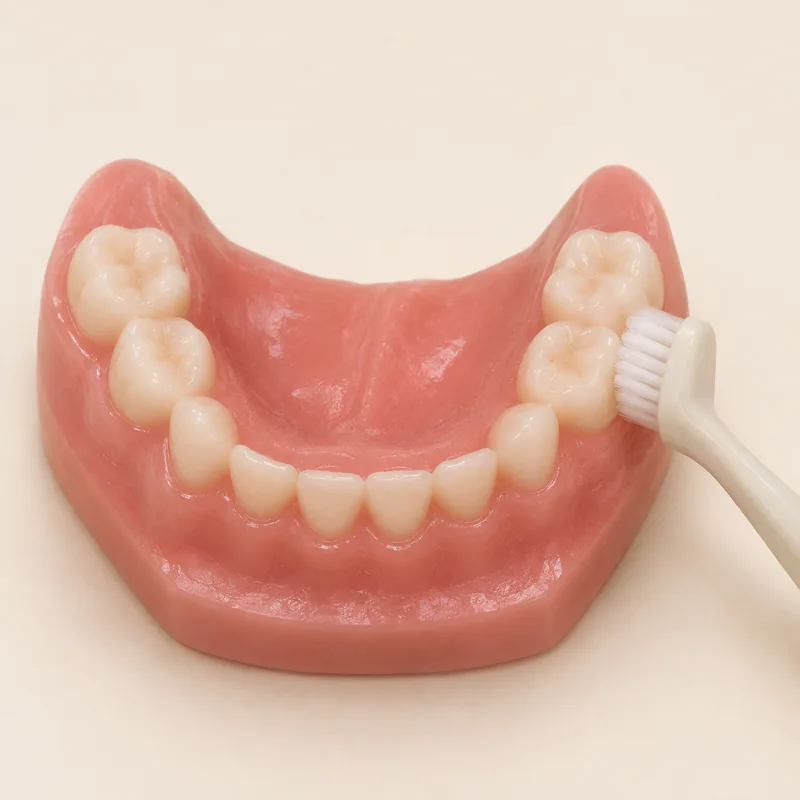
The examination considers the mouth, teeth and caries risk. A child does not need symptoms to attend prevention.
Caregivers receive age-appropriate advice on cleaning, diet and fluoride. Tell the team which products are already used.
The six examination windows and findings are recorded. Pain or injury needs help independently of that schedule.
Young children and their caregivers.
Six within the designated age period.
Z1 to Z6 in the yellow booklet.
Three steps. No audio.
Each scene can also be selected manually.

Silent educational film with German on-screen text and simplified teaching images. Not a patient case or a promised treatment outcome. The full English explanation is available below.
The examination considers the mouth, teeth and caries risk. A child does not need symptoms to attend prevention.
Caregivers receive age-appropriate advice on cleaning, diet and fluoride. Tell the team which products are already used.
The six examination windows and findings are recorded. Pain or injury needs help independently of that schedule.
A preventive examination may identify treatment needs. It does not mean disease is present or that required treatment should wait until the next scheduled check.
No. Dental early examinations and medical child checks have different roles.
The yellow child health booklet and details of medicines and fluoride products. Older booklets can use an insert.
No. Up to the 6th birthday the statutory benefit is twice per calendar half-year, regardless of caries risk; the application is explained.
Editorially suggested question to discuss with Dr Niusha Barahmand Pour:
Which examination window and care advice apply to my child now?
Discuss the appropriate next preventive visit; report acute symptoms by telephone.
Discuss early dental preventionAppointment selection at DoctolibA preventive examination may identify treatment needs. It does not mean disease is present or that required treatment should wait until the next scheduled check.
Editorial research: . General information, not an individual diagnosis or treatment recommendation. Teaching illustrations are simplified and do not depict a patient case.