
Dental insights · Everyday tips
Aligners in everyday life: A routine that fits your day.
The appointment is over and your first clear aligners are in — now everyday life begins. Breakfast, work, coffee, eating on the go: aligner treatment involves fitting the agreed use into these routines. You do not need a perfectly planned day. A few consistent habits and a clear point of contact if something does not go as discussed are more helpful.
Editorial review date:
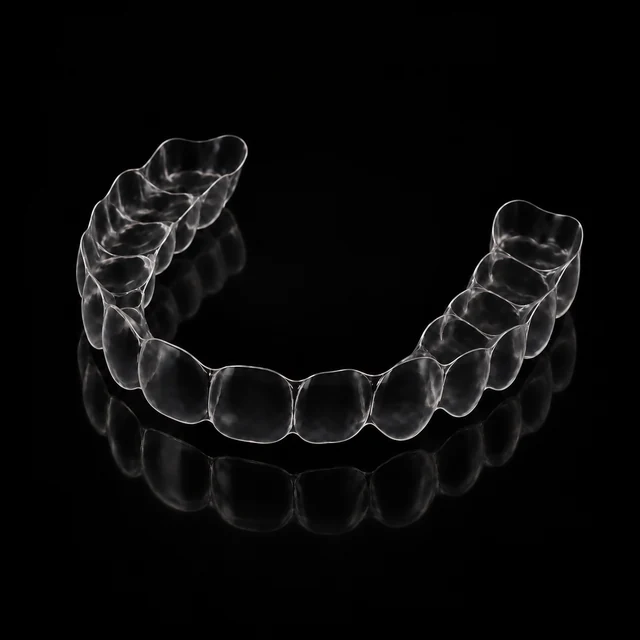 AI-generated
Keep your personal wearing schedule to hand
Aligners move teeth gradually. The aligners in a series are therefore used in a particular order. Wearing time and changes follow your treatment plan; a general number of hours found online does not replace it. If an aligner is lost or damaged, your treating practice should decide how to proceed. AAO: Everyday life during orthodontic treatment
At the start, note which aligner you are wearing, when the next change is planned and whom to contact with questions. A simple calendar entry is enough. What matters is being able to find the instructions, for example when travelling or when your usual routine is disrupted.
Plan meals and drinks consciously
The American Association of Orthodontists recommends removing aligners for eating and for drinks other than plain water. Teeth should be cleaned before reinserting them. For a long working day, therefore, remember a toothbrush and a suitable storage case as well as your aligners. AAO: Eating, drinking and oral care with aligners
Discuss practical difficulties early: for example, many small meals, work without easy access to a basin or regular business trips. There is no need to feel guilty. The question is how you can follow the agreed plan reliably — and when an individual adjustment needs to be discussed.
Distinguish aligner care from tooth care
Aligners also need cleaning after removal. The British Orthodontic Society describes using cold water, a toothbrush and a suitable cleaning method. For your particular aligner, follow the advice of your treating practice and the manufacturer; not every tooth-cleaning product is automatically suitable for every plastic. Ask to be shown how to clean the inside and outside and which additional cleaners may be appropriate. BOS: Patient information on aligners
A small bag with the agreed care items is useful when you are out. Put aligners straight in their designated place, rather than having to search for them among napkins, cutlery and packaging. This organisational habit is simple but makes the day easier to manage.
Notice changes and ask questions
Temporary pressure may occur at the start or with a new aligner. Speech may also feel unfamiliar at first. The BOS describes both as possible effects during adjustment. BOS: Getting used to aligners
If the fit is noticeably different, symptoms persist or you are unsure, contact your practice. Do not change aligners simply because the next number is already in the calendar. Describe as precisely as possible when you first noticed the issue and which aligner is affected.
See reviews as part of treatment
Aligner treatment includes progress reviews. These assess tooth movement and oral health. Small tooth-coloured aids, known as attachments, may also form part of treatment; the aligner is therefore not always the only visible component. AAO: Clear Aligners
Bring your everyday questions to these appointments. A good process does not mean never needing to ask questions. It means knowing your plan and discussing changes with your treating practice.
One treatment, many small everyday questions.
More about the general process is available on our aligners page. Discuss your personal wearing and care plan with your treating practice.
Get in touchProfessional sources
Research and editorial review: 23 September 2026. This information provides general guidance. An individual examination and consultation establish which treatment suits your situation.