
Dental insights · Preserving teeth
After periodontitis treatment: why follow-up care still matters
Even if your gums seem calmer after treatment for periodontitis, follow-up care remains important. It combines check-ups, cleaning according to need and support with daily oral care. This supportive periodontal care, known as UPT in Germany, aims to maintain the improvement for as long as possible. Suitable appointments and measures depend on your findings and risk of disease progression.
Published on
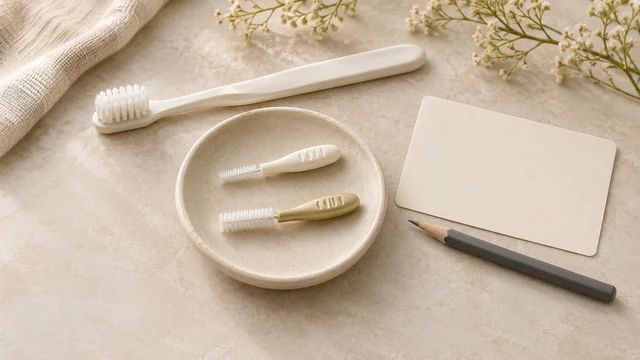 AI-generated
In this guide
1. Why keep coming when nothing hurts?
Periodontitis affects the tissues that hold a tooth in place. The disease often causes few symptoms for a long time. Being pain-free therefore does not, on its own, show that the situation is stable. Follow-up care helps detect changes through examination findings.
Treatment can reduce inflammation and help prevent further loss of tooth support. It does not guarantee that every tooth can be retained indefinitely. Ask which areas need particular attention and how the team will assess progress.
DG PARO: Periodontitis, maintenance care and oral hygiene · NIDCR: Periodontal (Gum) Disease, reviewed August 2026
2. What does a follow-up visit involve?
UPT includes assessing oral hygiene, providing further instruction when needed and removing deposits. The team also checks gum pockets and bleeding signs at the planned stages of care. Particular findings may require affected areas below the gumline to be treated again. The same measures are not necessarily scheduled at every visit.
Professional cleaning is one part of follow-up care. UPT also includes monitoring the disease and further treatment where needed. When booking, ask whether the appointment is for general professional cleaning or your periodontitis follow-up care.
KZBV: Treatment of periodontitis, July 2025 · G-BA: PAR Directive, current version since 1 July 2025, particularly section 13
3. How often and for how long is follow-up care needed?
One fixed interval does not suit everyone. Findings, disease risk and progress so far all contribute to planning. Agree a specific next appointment where possible. If you miss it, contact the practice to rearrange care rather than waiting for symptoms.
For people with German statutory health insurance, approved systematic periodontitis treatment generally includes a two-year UPT period. A medically necessary extension requires prior approval. The clinical need for long-term follow-up may continue beyond that period. Clarify how further care will be organised and charged; this article is not a personal coverage guarantee.
DG PARO: Periodontitis, maintenance care and oral hygiene · G-BA: PAR Directive, current version since 1 July 2025, particularly section 13 · KZBV: Treatment of periodontitis, July 2025
4. What helps between appointments?
Brush twice daily with fluoride toothpaste and clean between your teeth every day. Ask the team to show you suitable cleaning aids and how to use them. Discuss areas you find difficult to reach. The aim is a routine you can put into practice.
Smoking and diabetes can affect the course of the disease. Tell the dental team about your health situation. If needed, they can discuss suitable support with you. Missing a cleaning step or appointment is a reason to work together on a practical solution.
NHS: Gum disease, reviewed 20 April 2026 · NIDCR: Periodontal (Gum) Disease, reviewed August 2026 · IQWiG: How is periodontitis treated?, updated 23 August 2023
5. Which changes should you report sooner?
Have new or recurring gum bleeding assessed. Seek urgent dental help for new or increasing tooth looseness, severe pain, marked swelling, pus or fever. Do not wait for your routine follow-up visit in these circumstances. These signs can have different causes and do not allow a reliable self-diagnosis.
Difficulty breathing or swallowing, or severe swelling in the mouth, requires immediate emergency medical help.
NHS: Gum disease, reviewed 20 April 2026 · NHS: Dental abscess, reviewed 18 March 2026
Three questions for your next appointment
- Which areas are stable, and which still need monitoring?
- Which cleaning aids suit the spaces between my teeth?
- When is my next visit, and what is the long-term plan?
Write down your questions and, if useful, bring the cleaning aids you currently use. This can help focus the conversation on your everyday routine.
Related reading
Sources and further information
Draft: 10 November 2026. Targeted currency check: 17 November 2026 against the current PAR Directive and NIDCR information. The other unchanged source references retain the checks carried out on 10 November 2026. General information for adults after periodontitis treatment; individual care is planned following an examination.
- DG PARO: Periodontitis, maintenance care and oral hygiene
- NIDCR: Periodontal (Gum) Disease, reviewed August 2026
- KZBV: Treatment of periodontitis, July 2025
- G-BA: PAR Directive, current version since 1 July 2025, particularly section 13
- NHS: Gum disease, reviewed 20 April 2026
- NHS: Dental abscess, reviewed 18 March 2026
- IQWiG: How is periodontitis treated?, updated 23 August 2023