
Dental insights · Preventive care
Bleeding gums: what is assessed at your appointment
Bleeding gums are a reason for an examination. Which observations help and what a gum check can tell you.
Editorial review:
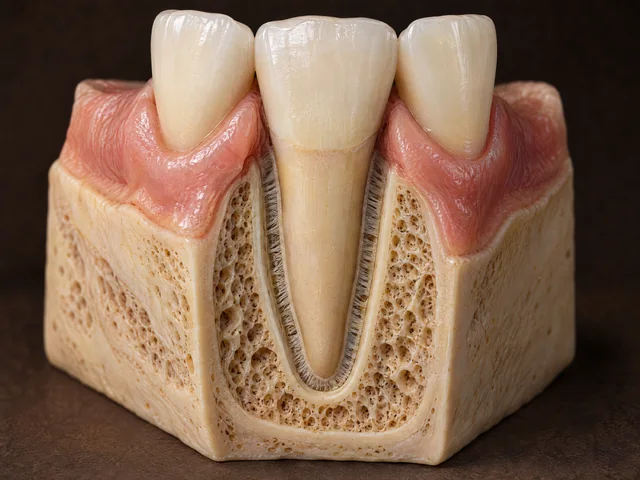 AI-generated
A little blood when brushing can seem insignificant. It should still be mentioned, particularly if it happens repeatedly. Inflamed gums can bleed without much pain. Whether only the gums or also the supporting structures of the teeth are affected cannot be determined at the bathroom sink. An examination is needed. gesund.bund.de: Gingivitis and periodontitis
01 When and where does it bleed?
A simple description helps: since when, in which area and on what occasions. Does it happen when brushing, cleaning between your teeth or even without touching? Have you also noticed swelling, pain or bad breath? You do not need to identify the cause yourself. The observation alone is a good reason for an appointment. The British health service, the NHS, recommends dental assessment for bleeding, painful or swollen gums. NHS: Gum disease
Write down a few clear details rather than constantly checking your teeth. For example: “For a few days, the same area on the lower right has bled when I brush.” Even if you do not know exactly which tooth is involved, you can show us the area at your appointment.
02 Is it gingivitis?
Gingivitis means the gums are inflamed. Bacterial plaque often plays a part. Periodontitis, by contrast, also affects the structures that hold the tooth in place. Bleeding alone does not distinguish these two situations. Smoking, diabetes, hormonal changes and certain medicines can also be relevant to the assessment. Tell us about medical conditions and medicines during the conversation, without trying to diagnose yourself from them. gesund.bund.de: Causes and differences
A useful question is: “What have you found, and how can you tell?” This turns the vague term “sensitive gums” into findings you can understand.
03 What does the gum check show?
One early detection examination is the Periodontal Screening Index, or PSI. A special probe is used to check for signs of disease in the tooth-supporting structures. The result helps assess whether a more detailed examination is needed. An abnormal screening score is not yet a complete diagnosis. Depending on the findings, further examinations and, if appropriate, X-rays may follow. KZBV: Der Parodontale Screening Index
People with German statutory health insurance are generally entitled to a PSI every two years; special billing rules apply during systematic periodontitis treatment. This describes an early detection service. Symptoms should be mentioned regardless of that interval. Ask for the result to be explained and what specific next step follows from it. KZBV: PSI and statutory health insurance benefits
04 What should I do until the appointment?
Daily care should continue to include gentle brushing with fluoride toothpaste and suitable cleaning between the teeth. If you are unsure, ask to be shown the technique. If your gums are very painful or clearly swollen, or teeth have newly become loose, call promptly to arrange an appropriate appointment. NHS: Care and reasons for an urgent examination
You do not need a perfect care routine or a complete explanation for the conversation. What matters is working out together what is behind the bleeding and which care or treatment suits your findings.
Your questions belong in the conversation.
We assess what is appropriate for you based on your situation and an examination.
Contact the practiceProfessional sources
The linked sources explain the general principles. Individual symptoms and decisions need a personal examination.