Do antibiotics treat viruses?
No.

Antibiotic resistance means that bacteria are, or become, insensitive to a particular antibiotic. The germs become resistant, not the human body. This can make an infection harder to treat. A lack of improvement in toothache does not automatically prove resistance: the dental cause often needs treatment, and an antibiotic may not be indicated at all.
For training & practice ↓
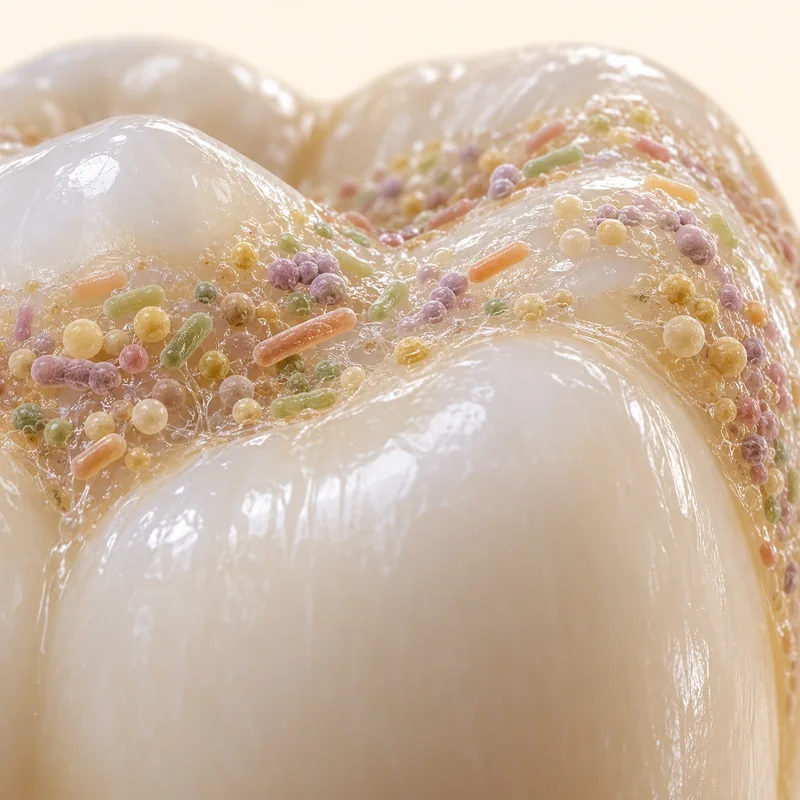
No antibiotic works against every bacterium, and antibiotics do not treat viruses. Resistant germs may survive and spread. Unnecessary exposure adds selection pressure.
Many pulpal or root-related problems need local dental treatment. Spreading infection or systemic symptoms may require antibiotics as well; clinical assessment determines this.
Use only prescribed antibiotics and follow the agreed schedule and duration. Seek advice for problems. Do not share leftovers, save them for new symptoms or change treatment yourself.
No.
No; treating the dental cause is often central.
No; a new illness needs a new assessment.
Three steps. No audio.
Each scene can also be selected manually.

Silent educational film with German on-screen text and simplified teaching images. Not a patient case or a promised treatment outcome. The full English explanation is available as text.
Resistance describes bacterial susceptibility. Allergy is an immune response to a substance. Both may affect medicine selection, but their causes differ.
No. Resistance concerns bacteria. A person may carry resistant bacteria or develop an infection with them without having taken antibiotics frequently.
Not automatically. Pain intensity identifies neither the bacterium nor its susceptibility. The cause, spread and need for dental treatment must be assessed.
Contact the treating team promptly instead of extending or changing treatment yourself. Increasing swelling, fever or swallowing difficulty needs urgent assessment; call 112 for breathing difficulty in Germany.
You can bring this question to your appointment:
Is an antibiotic indicated, what treatment addresses the cause, and when should I contact you again?
An individual assessment can clarify the findings and whether referral is needed.
Arrange an assessmentAppointment selection at DoctolibResistance describes bacterial susceptibility. Allergy is an immune response to a substance. Both may affect medicine selection, but their causes differ.
Editorial research: . General information, not an individual diagnosis or treatment recommendation. Teaching illustrations are simplified and do not depict a patient case.
If you turn this on, this website stores which guides you open, separately from advertising preferences. The markers expire after a fixed 30-day period from activation. The list is not sent to us by this feature. You can turn it off here and delete the markers.
Other people using the same browser profile can also see the markers. German and English versions share one marker. Expired entries are removed the next time you open a page with this feature; deleting browser data may remove them earlier. “Viewed” means opened, not read or completed.