Aim?
Preserve living pulp.

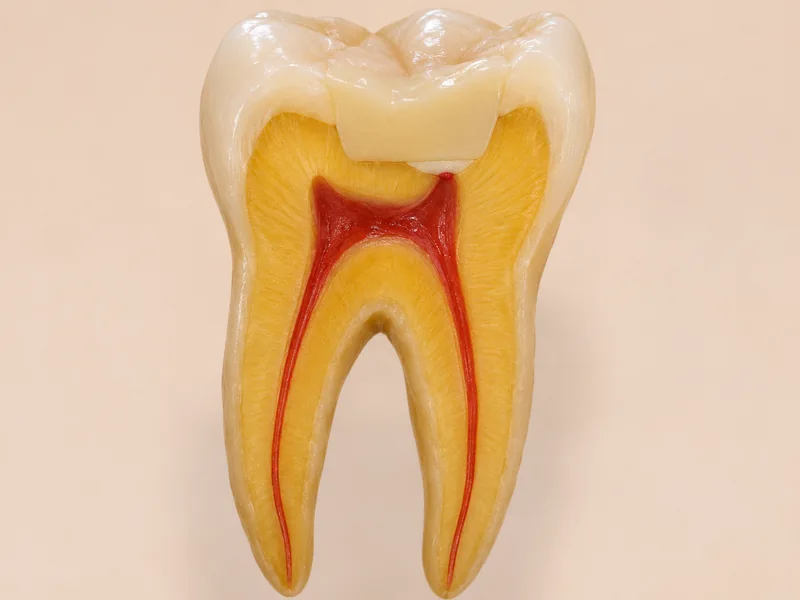
Direct pulp capping places a suitable material over an exposed area of living pulp. The aim is to preserve the tissue. Suitability depends on the findings, and success is not guaranteed.
For training & practice ↓
History, symptoms and clinical findings matter. Exposure alone does not determine the procedure.
In suitable circumstances, the capping material contacts the exposed pulp. The tooth then needs an effective restoration seal.
Agreed reviews assess progress. Persistent or new symptoms may require different treatment.
Preserve living pulp.
No; findings determine suitability.
Attend agreed reviews.
Three steps. No audio.
Each scene can also be selected manually.

Silent educational film with German on-screen text and simplified teaching images. Not a patient case or a promised treatment outcome. The full English explanation is available below.
History, symptoms and clinical findings matter. Exposure alone does not determine the procedure.
In suitable circumstances, the capping material contacts the exposed pulp. The tooth then needs an effective restoration seal.
Agreed reviews assess progress. Persistent or new symptoms may require different treatment.
Direct capping contacts exposed pulp. With an indirect approach, dentine remains between pulp and restoration.
No. Capping aims to retain living pulp; root filling seals prepared canals.
Suitable dental biomaterials include hydraulic calcium silicate cements. The treating team selects the material.
No. Capping can fail, so follow-up and reporting new symptoms matter.
Editorially suggested question to discuss with Dr Niusha Barahmand Pour:
Which findings support or argue against preserving the pulp in my tooth?
A deep lesion deserves a discussion of the possibilities and limits of tooth preservation.
Discuss tooth preservationAppointment selection at DoctolibDirect capping contacts exposed pulp. With an indirect approach, dentine remains between pulp and restoration.
Editorial research: . General information, not an individual diagnosis or treatment recommendation. Teaching illustrations are simplified and do not depict a patient case.