Is anxiety the only cause?
No; medical causes are possible.

Hyperventilation means that breathing removes more carbon dioxide than the body produces in that situation. It can occur with rapid or deep breathing and contribute to dizziness, tingling or muscle cramps. Anxiety is one possible trigger, but not the only one. New breathing difficulty must not be assumed to be panic without assessment; heart, lung or metabolic problems may also be involved.
For training & practice ↓
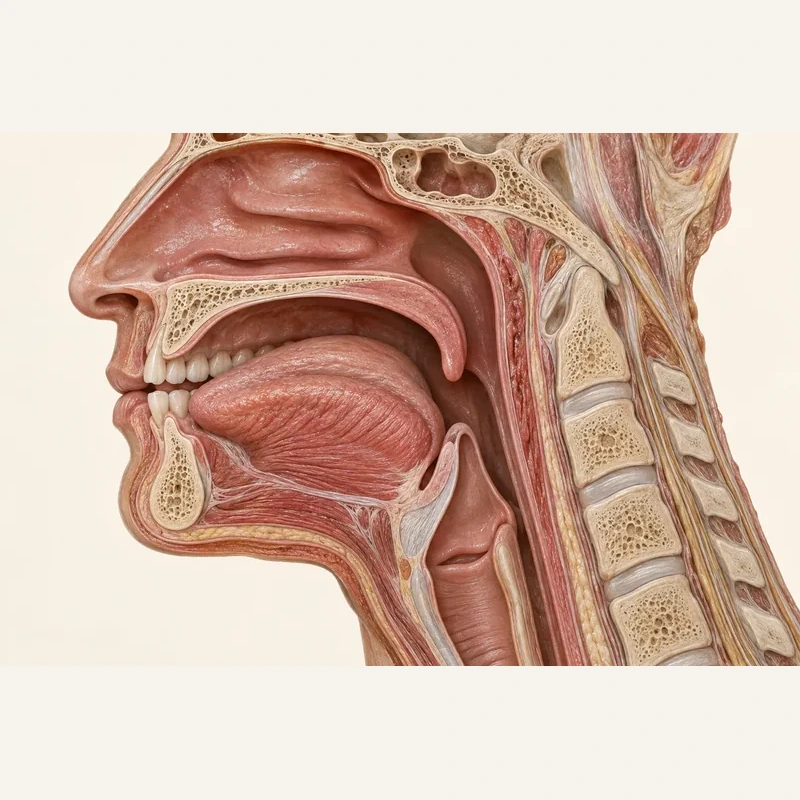
Fast breathing, tingling around the mouth or dizziness can occur with hyperventilation. They do not prove a harmless anxiety reaction. The situation and possible alternative causes need assessment.
Stop treatment, speak calmly and allow a comfortable position. A responsive person can be encouraged to breathe more calmly. Do not use paper or plastic bags for rebreathing.
Severe or persistent breathing difficulty, chest pain, blue lips or altered consciousness require 112. If unresponsive and not breathing normally, begin CPR with dispatcher guidance.
No; medical causes are possible.
No.
For severe breathing difficulty, chest pain or altered consciousness.
Three steps. No audio.
Each scene can also be selected manually.

Silent educational film with German on-screen text and simplified teaching images. Not a patient case or a promised treatment outcome. The full English explanation is available as text.
Hyperventilation describes breathing that exceeds metabolic needs. Breathlessness is the subjective feeling of insufficient air. They can occur together but are not the same thing.
Excess carbon dioxide loss changes the blood’s chemical balance and can cause these sensations. Symptoms alone do not prove that this is their cause.
It can be dangerous, particularly when another cause is associated with low oxygen. Calm support and checking warning signs are safer; seek medical help if the person does not improve.
Have the cause medically assessed and discuss an individual plan. Even with a known anxiety condition, new, different or severe symptoms need reassessment.
You can bring this question to your appointment:
How was the cause of my breathing episodes established, and what safe plan should we know if it happens again?
Acute warning signs require immediate medical help. After urgent care, the practice can coordinate dental follow-up by telephone.
Contact the practice for follow-up · 0221 669 401 80Telephone contactHyperventilation describes breathing that exceeds metabolic needs. Breathlessness is the subjective feeling of insufficient air. They can occur together but are not the same thing.
Editorial research: . General information, not an individual diagnosis or treatment recommendation. Teaching illustrations are simplified and do not depict a patient case.
If you turn this on, this website stores which guides you open, separately from advertising preferences. The markers expire after a fixed 30-day period from activation. The list is not sent to us by this feature. You can turn it off here and delete the markers.
Other people using the same browser profile can also see the markers. German and English versions share one marker. Expired entries are removed the next time you open a page with this feature; deleting browser data may remove them earlier. “Viewed” means opened, not read or completed.