What stops?
Current progression.

Caries arrest means a lesion has become inactive and is not currently progressing. This does not regrow missing tooth shape. A dental assessment determines activity and appropriate management.
For training & practice ↓
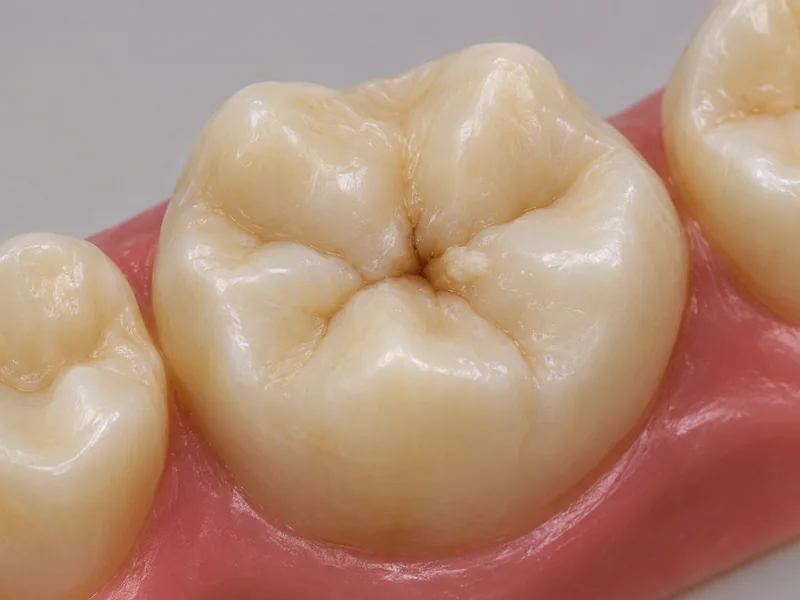
A lesion may be active or inactive. Colour alone does not decide which.
Biofilm control, less frequent sugar exposure and suitable fluoride measures can help. Further measures depend on site and surface condition.
Inactive does not mean finished forever. The lesion and its cleanability are reassessed at agreed reviews.
Current progression.
Not through arrest.
Cleaning and monitoring.
Three steps. No audio.
Each scene can also be selected manually.

Silent educational film with German on-screen text and simplified teaching images. Not a patient case or a promised treatment outcome. The full English explanation is available below.
A lesion may be active or inactive. Colour alone does not decide which.
Biofilm control, less frequent sugar exposure and suitable fluoride measures can help. Further measures depend on site and surface condition.
Inactive does not mean finished forever. The lesion and its cleanability are reassessed at agreed reviews.
Arrest describes disease activity; restoration replaces missing tooth form.
No. Arrest does not automatically replace a structural defect.
Not automatically. Function, cleanability and extent influence the decision.
Yes. If conditions become unfavourable, a lesion can progress again.
Editorially suggested question to discuss with Dr Niusha Barahmand Pour:
Which findings show whether this lesion is active?
We can explain whether a finding needs treatment or monitoring and which home-care steps are useful.
Discuss caries activityAppointment selection at DoctolibArrest describes disease activity; restoration replaces missing tooth form.
Editorial research: . General information, not an individual diagnosis or treatment recommendation. Teaching illustrations are simplified and do not depict a patient case.