Who may find this useful?
People noticing a jaw sound and wanting to understand its significance.

A click when opening or closing the mouth is a joint sound. It can occur without pain and does not, by itself, establish a need for treatment. The important questions are whether pain, restricted movement or locking occurs as well.
For training & practice ↓
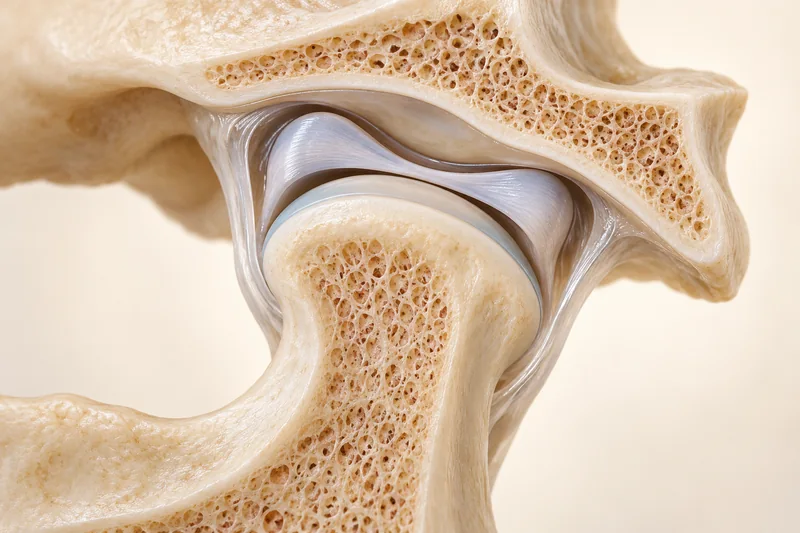
The jaw joint moves during speech and chewing. A sound describes something noticed during that movement. Frequency and loudness alone do not reliably indicate severity.
Pain with chewing, new restrictions in opening or repeated locking matter during assessment. A sound cannot reliably reveal the condition of the joint disc.
Assessment starts with a discussion and an examination of jaw function; imaging is not automatically necessary. Clicking alone does not justify a splint or a permanent bite change. Seek prompt care for acute locking or difficulty eating and drinking.
People noticing a jaw sound and wanting to understand its significance.
For new or persistent pain, locking or impaired function; an uncertain finding can also be discussed without pain.
Seek prompt care for acute locking or difficulty eating and drinking; symptoms after injury or with swelling also need professional assessment.
Three steps. No audio.
Each scene can also be selected manually.

Silent educational film with German on-screen text and simplified teaching images. Not a patient case or a promised treatment outcome. The full English explanation is available below.
The jaw joint moves during speech and chewing. A sound describes something noticed during that movement. Frequency and loudness alone do not reliably indicate severity.
Pain with chewing, new restrictions in opening or repeated locking matter during assessment. A sound cannot reliably reveal the condition of the joint disc.
Assessment starts with a discussion and an examination of jaw function; imaging is not automatically necessary. Clicking alone does not justify a splint or a permanent bite change. Seek prompt care for acute locking or difficulty eating and drinking.
Clicking is a sound during joint movement. Grinding is an activity involving tooth contact. They may coexist, but they are not the same thing.
No. TMD covers different problems involving the jaw joints and chewing muscles. A painless sound alone does not prove a disorder requiring treatment.
Do not deliberately provoke it or force the jaw. When pain or locking occurs, assessment is more useful than repeated testing.
A splint is not a universal remedy for every click. Its suitability depends on the findings, and it cannot be promised to eliminate the sound.
An editorially suggested question for a discussion with Dr med dent Niusha Barahmand Pour:
Does this sound matter in light of my examination, or would observation initially be appropriate?
Does clicking come with pain or restricted movement? An appointment can assess the joint and chewing muscles.
Discuss jaw symptomsAppointment selection at DoctolibClicking is a sound during joint movement. Grinding is an activity involving tooth contact. They may coexist, but they are not the same thing.
Editorial research: . General information, not an individual diagnosis or treatment recommendation. Teaching illustrations are simplified and do not depict a patient case.