What is assessed?
Teeth, gums and lips together, including movement.

In dental aesthetic assessment, smile line often refers to the height of the upper lip during smiling, which helps determine how much of the upper teeth and gums is visible. It differs from the smile arc along the incisal edges. Both describe features of a smile and are not diseases in themselves.
For training & practice ↓
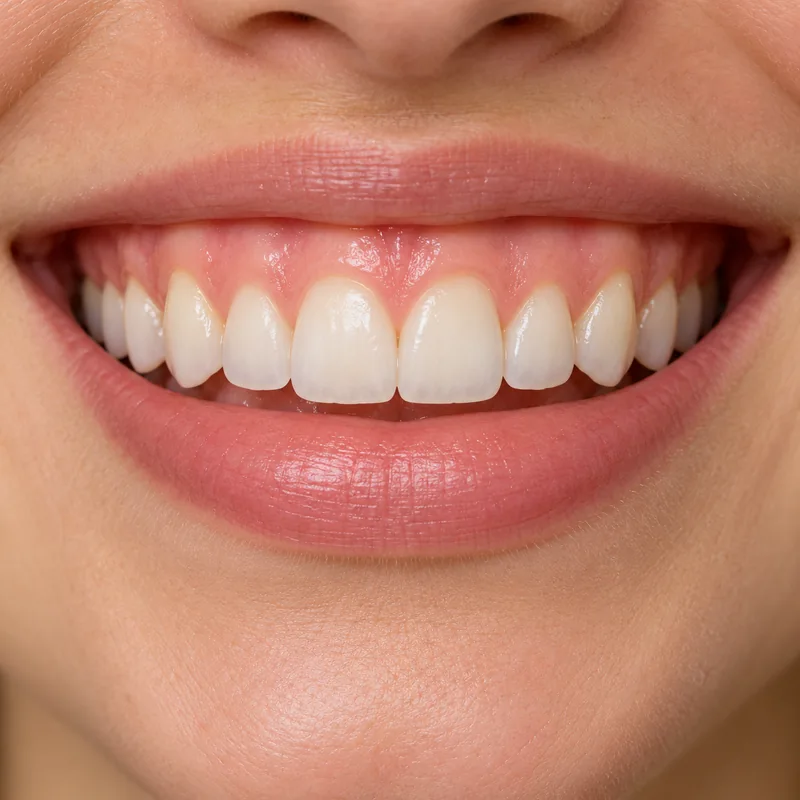
Lip movement exposes different amounts of tooth crown and gum. A gentle smile and a broad laugh may look different.
The smile arc describes the curve of the upper incisal edges relative to the lower lip. Smile line here describes the visible height of teeth and gums.
Wishes, natural proportions, dental health and function belong together. A photograph or supposed ideal measurement does not establish a need for treatment.
Teeth, gums and lips together, including movement.
No. An isolated norm cannot replace individual assessment.
When appearance is a concern or symptoms are also present.
Three steps. No audio.
Each scene can also be selected manually.

Silent educational film with German on-screen text and simplified teaching images. Not a patient case or a promised treatment outcome. The full English explanation is available below.
Lip movement exposes different amounts of tooth crown and gum. A gentle smile and a broad laugh may look different.
The smile arc describes the curve of the upper incisal edges relative to the lower lip. Smile line here describes the visible height of teeth and gums.
Wishes, natural proportions, dental health and function belong together. A photograph or supposed ideal measurement does not establish a need for treatment.
Smile line here describes lip height and gum display. The smile arc follows the upper incisal edges in relation to the lower lip.
Not on its own. Gum visibility during smiling is initially a feature. Inflammation, symptoms and personal preferences need separate assessment.
Lip position, timing and camera angle affect the appearance. Different views and movement may therefore matter when planning treatment.
No. Looking different from a reference picture does not automatically justify treatment. If it bothers someone, the cause, options and limits can be discussed.
An editorially suggested question for a conversation with Dr. med. dent. Niusha Barahmand Pour:
What affects how much of my teeth and gums is visible?
A natural smile involves more than one measurement.
Discuss your smile and wishesAppointment selection at DoctolibSmile line here describes lip height and gum display. The smile arc follows the upper incisal edges in relation to the lower lip.
Editorial research: . General information, not an individual diagnosis or treatment recommendation. Teaching illustrations are simplified and do not depict a patient case.