What does BEWE stand for?
Basic Erosive Wear Examination.

BEWE stands for Basic Erosive Wear Examination. It provides a brief dental screening record of erosive tooth wear. In the original version, the most affected surface in each sextant is recorded with a score from 0 to 3. BEWE 2.0, published in 2026, adds a category for severe wear. The version used and clinical context must therefore accompany the findings.
For training & practice ↓
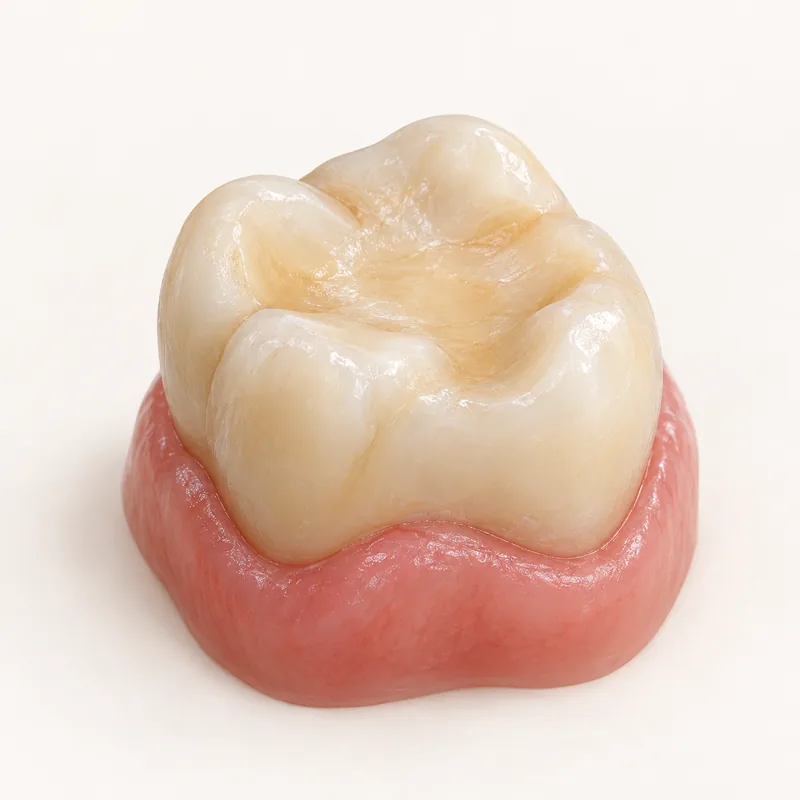
The dentition is divided into six sections called sextants. Classical BEWE records the most severely affected tooth surface in each section, providing a quick overview.
The original scale runs from 0 to 3. The 2026 BEWE 2.0 adds score 4 and clarifies early changes. Scores from different versions should not be equated without identifying the scale.
A score cannot explain the acid source or show whether wear is currently progressing. Symptoms, diet, possible reflux and other findings add essential context.
Basic Erosive Wear Examination.
Six sextants, with scores from 0 to 3.
BEWE 2.0 from 2026, adding score 4.
Three steps. No audio.
Each scene can also be selected manually.

Silent educational film with German on-screen text and simplified teaching images. Not a patient case or a promised treatment outcome. The full English explanation is available as text.
BEWE helps identify and record wear. A full examination also considers causes, activity, symptoms and the need for prevention or restoration.
It describes greater recorded wear under the scale used. On its own it neither identifies the cause nor automatically indicates crowns.
The version published in 2026 proposes an additional score 4 for more severe wear and clarifies early categories. Existing records may still use the original scale.
As a screening tool, it condenses many findings. Small local changes may not alter the score. Detailed records, photographs or models may also be needed for monitoring.
You can bring this question to your appointment:
Which BEWE version was used, where is the wear and how will we assess its cause and progression?
An individual assessment can clarify the findings and whether referral is needed.
Arrange an assessmentAppointment selection at DoctolibBEWE helps identify and record wear. A full examination also considers causes, activity, symptoms and the need for prevention or restoration.
Editorial research: . General information, not an individual diagnosis or treatment recommendation. Teaching illustrations are simplified and do not depict a patient case.
If you turn this on, this website stores which guides you open, separately from advertising preferences. The markers expire after a fixed 30-day period from activation. The list is not sent to us by this feature. You can turn it off here and delete the markers.
Other people using the same browser profile can also see the markers. German and English versions share one marker. Expired entries are removed the next time you open a page with this feature; deleting browser data may remove them earlier. “Viewed” means opened, not read or completed.