Possible while flying?
Yes.

Barodontalgia is tooth pain triggered by changes in surrounding pressure, for example during flying or diving. The term describes a symptom pattern rather than its underlying cause. Dental disease, problems with restorations or referred pain from the sinuses may be involved. Dental examination helps clarify the explanation.
For training & practice ↓
Note whether pain occurred as pressure increased or decreased, where it was felt and how long it lasted. Mention recently treated teeth.
A tooth, restoration or the sinuses may be involved. Timing alone cannot establish the cause.
Have symptoms and damaged restorations assessed before further diving. Fitness to fly or dive may also require advice from an aviation or diving medicine professional.
Yes.
No.
No, individual assessment is needed.
Three steps. No audio.
Each scene can also be selected manually.

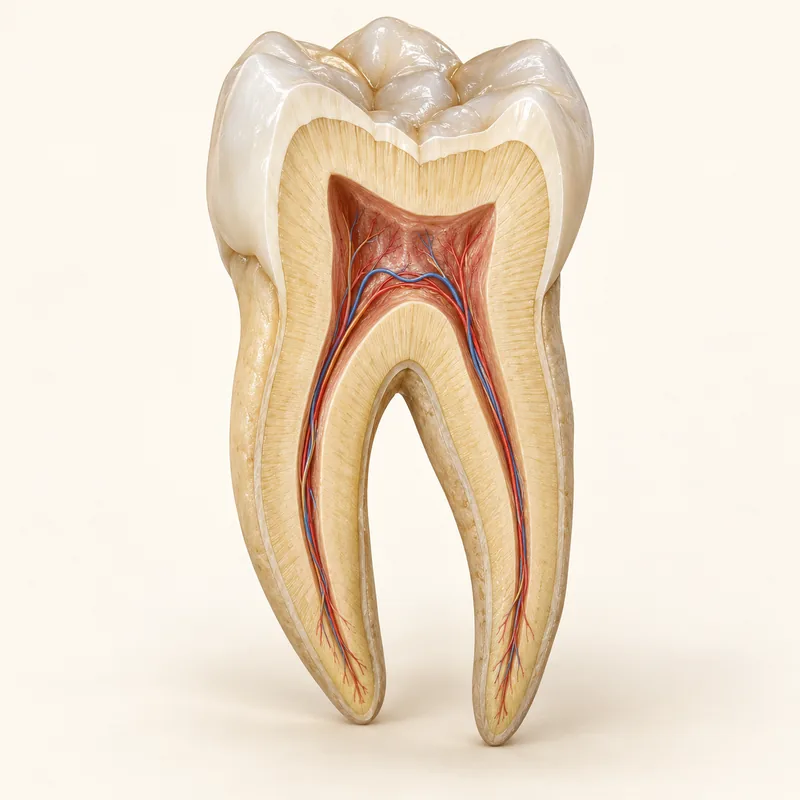
Silent educational film with German on-screen text and simplified teaching images. Not a patient case or a promised treatment outcome. The full English explanation is available as text.
Sinus problems may also be felt as pain in upper teeth. Distinguishing them requires assessment of the overall findings.
No. Pressure changes during flying can also trigger tooth pain. The term is not restricted to one depth or altitude.
No. That is too simple an explanation. Dental or pulp disease, restoration problems and sinus conditions may also be involved.
Yes. Pressure changes can reveal a previously unnoticed problem. Being pain-free on land does not replace examination after such an episode.
No. Barodontalgia means pain. Dental barotrauma means pressure-related damage, for example to a tooth or restoration.
There is no single interval here for every procedure. Treatment, healing, symptoms and the planned activity need individual consideration; this explanation does not certify fitness to fly or dive.
You can bring this question to your appointment:
Which dental or sinus cause could explain my symptoms during pressure changes?
Describe the pressure situation, location and course of pain when making contact. Seek timely assessment for persistent or severe symptoms.
Discuss dental careAppointment selection at DoctolibSinus problems may also be felt as pain in upper teeth. Distinguishing them requires assessment of the overall findings.
Editorial research: . General information, not an individual diagnosis or treatment recommendation. Teaching illustrations are simplified and do not depict a patient case.
If you turn this on, this website stores which guides you open, separately from advertising preferences. The markers expire after a fixed 30-day period from activation. The list is not sent to us by this feature. You can turn it off here and delete the markers.
Other people using the same browser profile can also see the markers. German and English versions share one marker. Expired entries are removed the next time you open a page with this feature; deleting browser data may remove them earlier. “Viewed” means opened, not read or completed.