Is it an ordinary palate plate?
Its defining function is to close a tissue opening.

A palatal obturator is a custom prosthesis that covers an opening in the palate, for example after part of the upper jaw is removed. Separating the mouth from the nasal cavity can support speech and swallowing and reduce fluid escaping into the nose.
For training & practice ↓
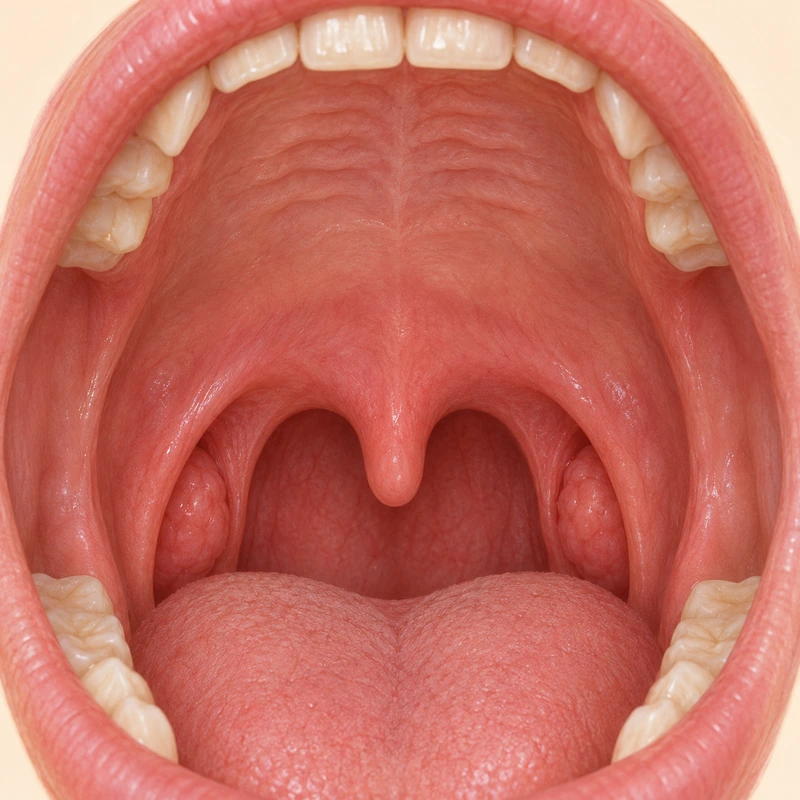
The palate forms the roof of the mouth. A full-thickness defect may allow air or liquid to pass between the mouth and nose.
The obturator is shaped to fit the defect. Remaining teeth or surrounding tissue contours may contribute to retention.
Tissues change after surgery. An initial temporary appliance is checked and may need several adjustments before the definitive prosthesis is made.
Its defining function is to close a tissue opening.
A change in fit can cause leakage.
The team explains care for its material and your stage of healing.
Three steps. No audio.
Each scene can also be selected manually.

Silent film with English on-screen text and simplified teaching images.
It may provide support even where the palate is intact.
Replacement teeth can be incorporated. Design depends on the defect, remaining teeth and stage of treatment.
Have the treating prosthodontic team check them. Trimming the device yourself can compromise the seal.
Follow the operating team's individual instructions. An early surgical appliance can be secured in place.
Tell your team whether problems occur with speech, thin liquids or insertion in particular.
How will I know when my appliance needs adjustment as I heal?
Contact the treating maxillofacial prosthodontic team about leakage or new sore spots.
Choose an appointmentAppointment selection at DoctolibAn effective seal during swallowing depends on retention and tissue condition as well as shape.
Editorial research: . General information, not an individual diagnosis or treatment recommendation. Teaching illustrations are simplified and do not depict a patient case.
If you turn this on, this website stores which guides you open, separately from advertising preferences. The markers expire after a fixed 30-day period from activation. The list is not sent to us by this feature. You can turn it off here and delete the markers.
Other people using the same browser profile can also see the markers. German and English versions share one marker. Expired entries are removed the next time you open a page with this feature; deleting browser data may remove them earlier. “Viewed” means opened, not read or completed.