Do I need symptoms for a check?
Examination may reveal abnormalities before symptoms arise.

Sports dental screening assesses teeth, gums and sport-related risks. It considers symptoms during eating or training, frequent exposure to sugars and acids, and the injury risk of the sport. Abnormal findings can be investigated individually.
For training & practice ↓
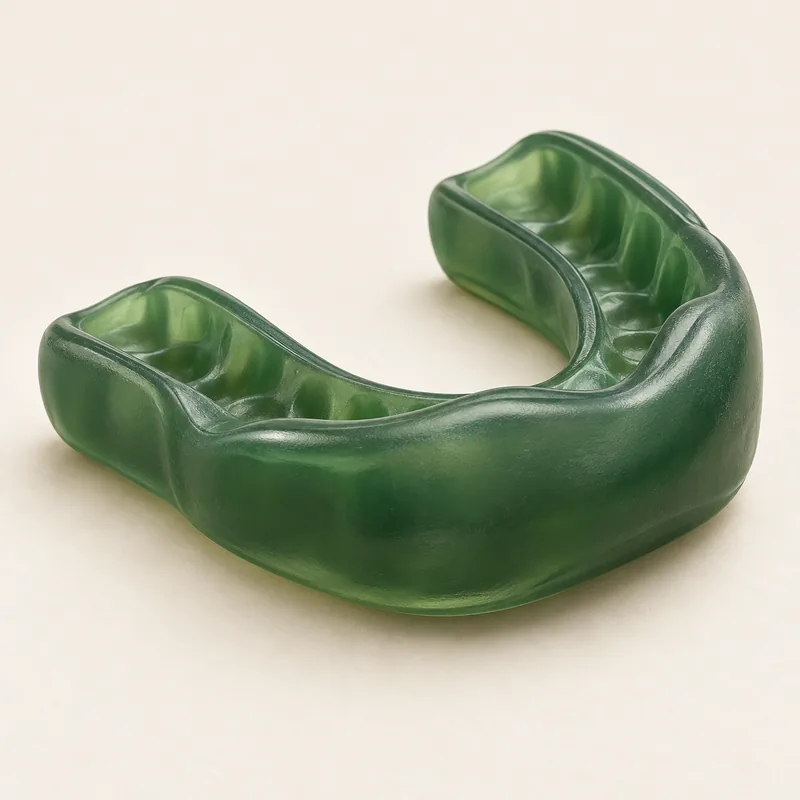
Sports differ in their risk of dental injury. Fit and damage are important considerations for an existing mouthguard.
The assessment may identify decay, inflamed gums or tooth wear. The team asks about pain and problems eating or sleeping.
Findings guide priorities for treatment and prevention. Competition dates, travel and training nutrition can be taken into account.
Examination may reveal abnormalities before symptoms arise.
Examination does not establish an improvement in performance.
Your existing mouthguard and details of the sport and any symptoms.
Three steps. No audio.
Each scene can also be selected manually.

Silent film with English on-screen text and simplified teaching images.
A dental check assesses oral health. General sports clearance addresses broader medical questions.
Some athletes attending the London 2012 dental clinic reported an impact on training or performance. These attendees do not represent all athletes.
Dental pain can disturb meals or sleep. An assessment helps identify possible causes and next steps.
Nutrition should match exercise needs. Discuss frequency, products and water intake with your sports nutrition team.
During a check-up, mention sporting demands and how you fuel training.
Which findings should I have assessed before the next competition period?
For sports with an injury risk, you can also discuss the fit of your existing mouthguard.
Choose an appointmentAppointment selection at DoctolibAn association between oral symptoms and reported impact does not prove treatment improves performance.
Editorial research: . General information, not an individual diagnosis or treatment recommendation. Teaching illustrations are simplified and do not depict a patient case.
If you turn this on, this website stores which guides you open, separately from advertising preferences. The markers expire after a fixed 30-day period from activation. The list is not sent to us by this feature. You can turn it off here and delete the markers.
Other people using the same browser profile can also see the markers. German and English versions share one marker. Expired entries are removed the next time you open a page with this feature; deleting browser data may remove them earlier. “Viewed” means opened, not read or completed.