Is it treatment?
No. It is a measurement and planning method.

Bolton analysis compares the summed widths of lower and upper teeth to assess their relative sizes for a planned bite. It distinguishes an anterior ratio for the six front teeth in each arch from an overall ratio covering first molar to first molar. It contributes to planning but does not determine treatment on its own.
For training & practice ↓
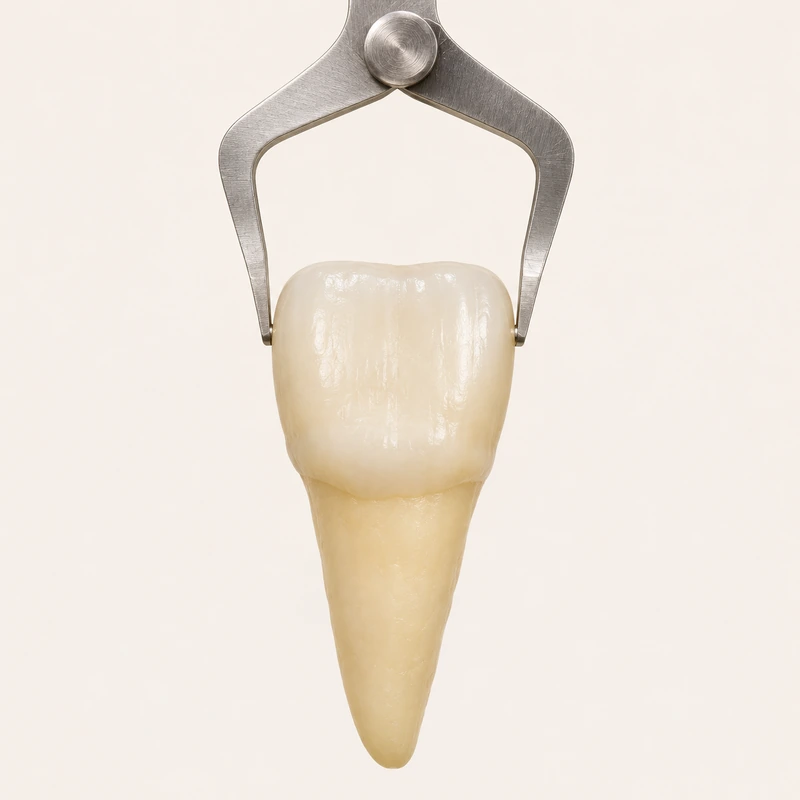
The width of each crown is measured between its mesial and distal surfaces. Models or digital records allow corresponding teeth in the two arches to be compared consistently.
The anterior analysis runs from canine to canine; the overall analysis runs from first molar to first molar. A relative size discrepancy differs from lack of space within one arch.
Tooth shape, thickness, position and planned contacts affect the result’s significance. Any size adjustment is considered within the full treatment plan rather than decided from one number.
No. It is a measurement and planning method.
Canine to canine in each arch.
No. Shape and the complete bite matter too.
Three steps. No audio.
Each scene can also be selected manually.

Silent educational film with German on-screen text and simplified teaching images. Not a patient case or a promised treatment outcome. The full English explanation is available as text.
Bolton analysis measures relative tooth widths, not the size of the jawbone. A value outside a reference range proves neither a jaw discrepancy nor a particular need for treatment.
No. Different relative tooth sizes are initially a geometric finding. Whether they matter for function or the treatment goal needs individual assessment.
No. Crowding concerns tooth width relative to available space within one jaw. Bolton analysis compares widths between upper and lower arches; both may matter at the same time.
No. Depending on the findings, planning may involve tooth positioning, adding to tooth shape or carefully limited enamel reduction. Any alteration requires its own indication and informed discussion.
Not reliably. Perspective and hidden contact areas distort measurements. Suitable models or digital measurements are interpreted alongside clinical findings.
You can bring this question to your appointment:
What does my tooth-size ratio mean for the planned bite and any possible changes to tooth shape?
An individual examination can clarify the findings and suitable next steps.
Arrange an assessmentAppointment selection at DoctolibBolton analysis measures relative tooth widths, not the size of the jawbone. A value outside a reference range proves neither a jaw discrepancy nor a particular need for treatment.
Editorial research: . General information, not an individual diagnosis or treatment recommendation. Teaching illustrations are simplified and do not depict a patient case.
If you turn this on, this website stores which guides you open, separately from advertising preferences. The markers expire after a fixed 30-day period from activation. The list is not sent to us by this feature. You can turn it off here and delete the markers.
Other people using the same browser profile can also see the markers. German and English versions share one marker. Expired entries are removed the next time you open a page with this feature; deleting browser data may remove them earlier. “Viewed” means opened, not read or completed.